How Ecommerce Data Scraping Helps Businesses Make Better Decisions
Online stores change their prices, offers, and stock levels every day. For businesses, it can be hard to keep up with these changes.
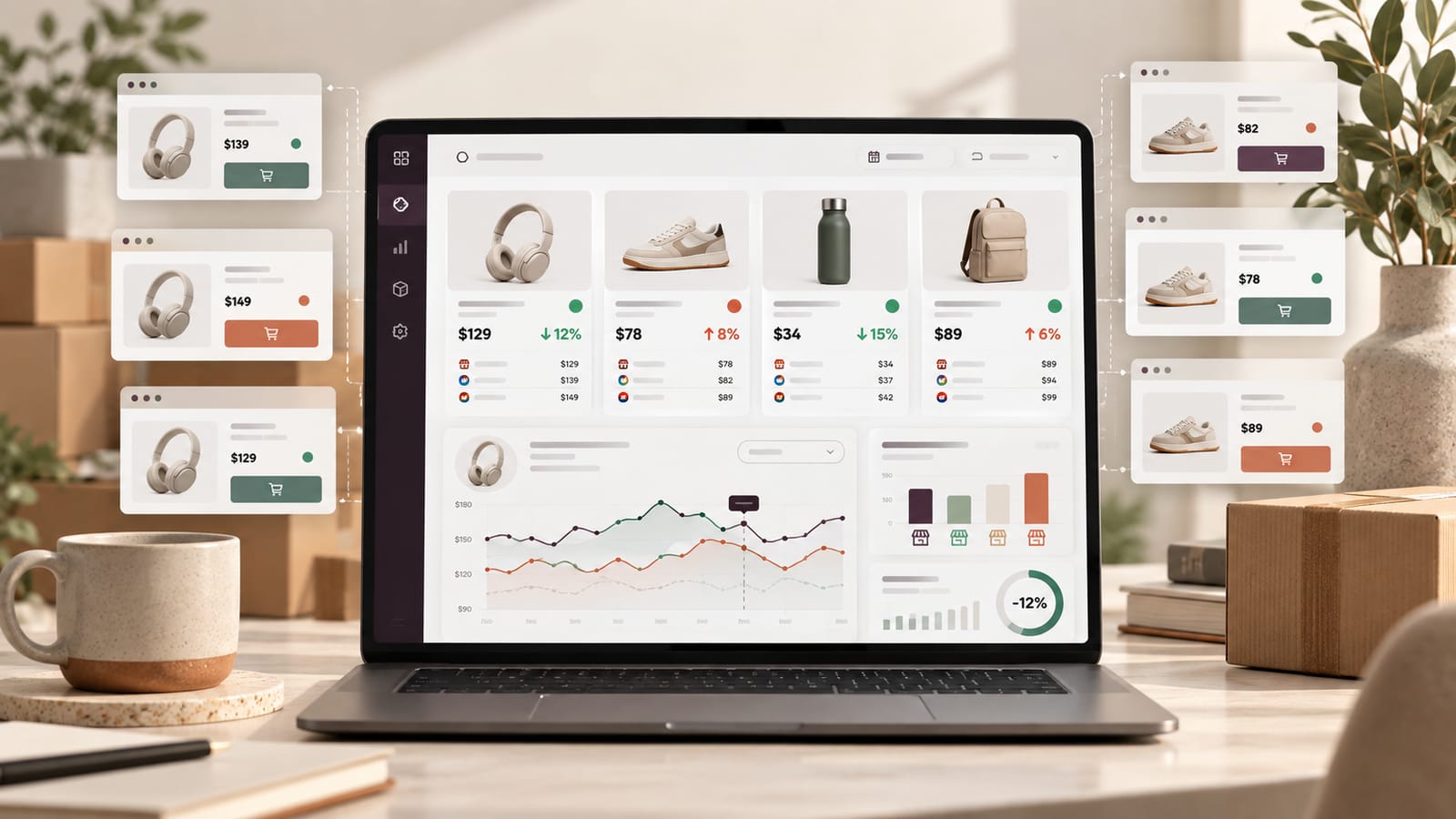
Ecommerce data scraping helps collect useful product information from online sources where automated access is permitted. As a result, businesses can understand market trends without checking every product page by hand.
This guide explains how ecommerce data can support better business decisions.
What Is Ecommerce Data Scraping?
Ecommerce data scraping is the process of collecting product information from online stores.
This may include product names, prices, descriptions, discounts, and stock availability.
Once collected, the information can be organized in a spreadsheet or database.
For example, a retailer can compare the price of the same product across different stores.
Why Is Product Data Important?
Good product data helps businesses understand what is happening in the market.
It can answer important questions:
Which store offers the lowest price?
Are competitors running special discounts?
Which products are out of stock?
How often are product prices changing?
Are new products entering the market?
With this information, businesses can make informed decisions.
1. Monitor Competitor Prices
Competitor price monitoring helps businesses compare their prices with other sellers.
For example, imagine three stores selling the same headphones.
StorePriceAvailabilityStore A$120In stockStore B$110In stockStore C$125Out of stock
Store B has the lowest listed price.
However, businesses should also consider shipping costs, product condition, and delivery time.
Therefore, accurate price comparison involves more than finding the lowest number.
2. Track Product Availability
Stock availability is another useful part of ecommerce intelligence.
If a popular product becomes unavailable at several stores, it may signal a change in supply or demand.
Meanwhile, retailers that still have the product available may be able to meet customer needs.
Regular stock monitoring helps businesses identify these changes.
3. Understand Discounts and Promotions
Online stores often offer discounts during shopping festivals and seasonal sales.
By tracking these offers, businesses can understand competitor promotion patterns.
For example, a store may offer discounts every weekend. Another may reduce prices only during major shopping events.
These insights can support better promotion planning.
4. Analyze Product Assortment
Product assortment refers to the range of products a retailer sells.
Businesses can study which brands, categories, and product variations competitors offer.
This information can help identify gaps in the market.
For example, a retailer may discover that competing stores offer more sizes or product colors.
As a result, the retailer may consider expanding its own selection.
5. Build Useful Reports and Dashboards
Raw product information becomes more useful when it is organized and analyzed.
Businesses can create dashboards to monitor price changes, stock levels, discounts, and product trends.
However, data quality matters. Incorrect product matching can lead to misleading results.
For example, a single item should not be compared directly with a pack of three.
Therefore, good data cleaning and product matching are important steps.
How NenoData Supports Ecommerce Intelligence
NenoData provides web scraping, ecommerce product data extraction, competitor price monitoring, and marketplace intelligence services.
These solutions help businesses organize relevant online information into structured datasets.
Companies can use these datasets for market research, pricing analysis, and business planning.
Tips for Using Ecommerce Data Effectively
To get useful results from ecommerce data, businesses should:
Focus on products that matter most.
Compare products with matching specifications.
Check the accuracy of collected prices.
Monitor changes over time.
Include stock availability in pricing reports.
Review trends before making decisions.
In addition, businesses should respect data access rights and applicable website restrictions.
Conclusion
Ecommerce data scraping can help businesses better understand online markets.
By monitoring prices, promotions, stock availability, and product assortment, companies can identify changes and make more informed decisions.
With accurate data and clear reports, businesses can respond more effectively to a competitive ecommerce market.