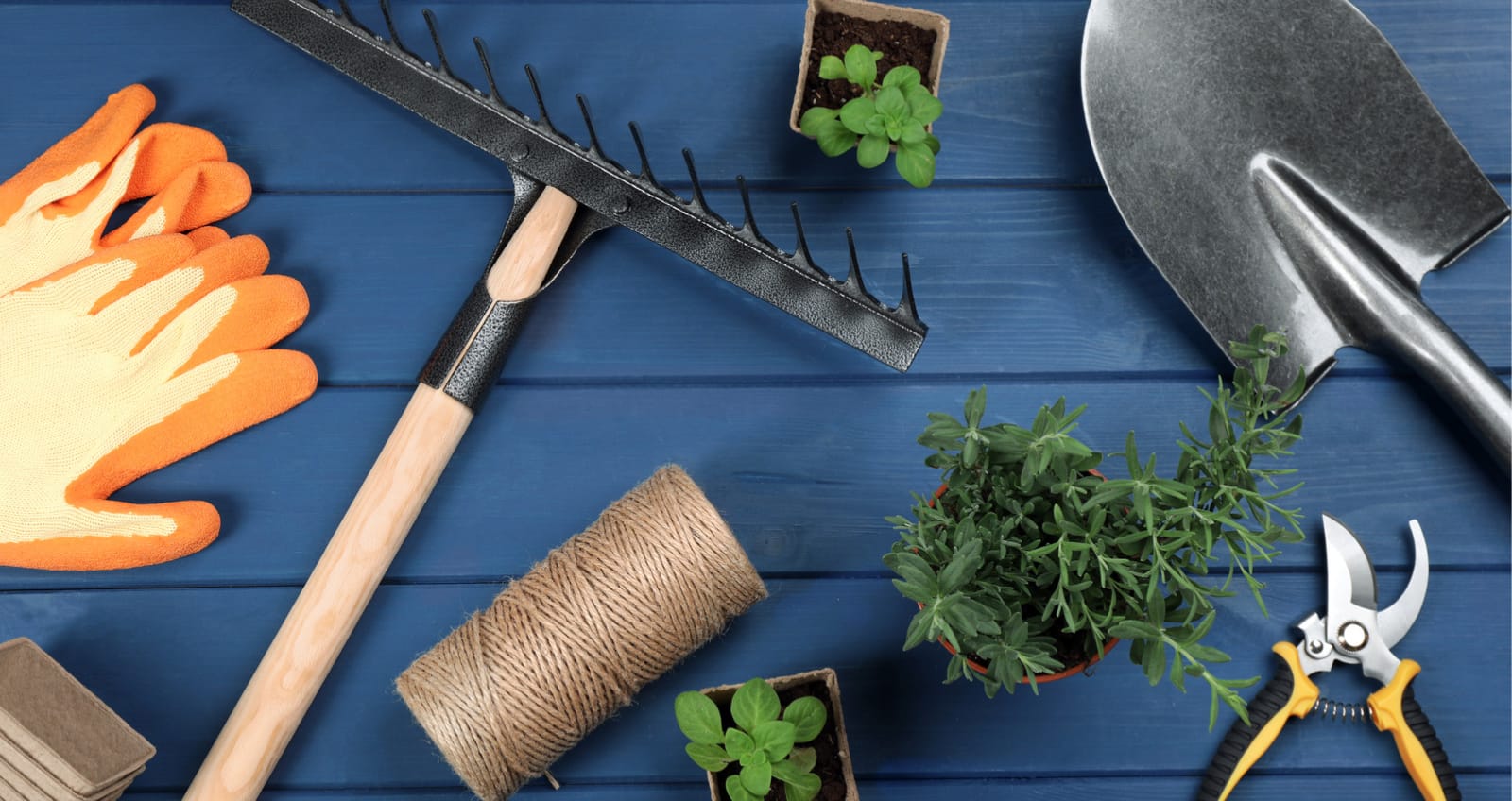
Gardening equipment makes planting, watering, pruning, and weeding easier. Whether you grow herbs on a balcony or maintain a backyard, the right tools help you work comfortably and care for plants. For people exploring Easy Businesses to Start, a small gardening service is also worth considering. Learning to use basic equipment can support both a rewarding hobby and a practical service business.
Start With Tools Your Garden Needs
You do not need a shed full of equipment to begin gardening. Choose tools based on your growing space, soil, and regular tasks. Container gardens need fewer tools than large vegetable beds.
University extension guidance identifies trowels, pruners, digging tools, rakes, and watering equipment as useful parts of a gardening toolkit. Start with the essentials and add equipment when a clear need appears.
Essential Gardening Equipment for Beginners
1. Gardening Gloves
Well-fitting gloves help protect your hands from scratches, dirt, and friction. Choose flexible gloves for planting and thicker pairs for handling rough materials. Gloves should allow you to grip tools securely without restricting finger movement.
2. Hand Trowel
A hand trowel is useful for planting seedlings, filling containers, and loosening soil around small plants. Look for a sturdy blade and a comfortable handle. A narrow blade can help you work between closely spaced plants.
3. Pruning Shears
Pruning shears help trim small stems and remove unwanted growth. Bypass pruners have blades that pass each other like scissors, making them suitable for clean cuts on living stems. Match the tool to the branch size; forcing thick branches can damage the equipment.
4. Spade or Shovel
A spade helps cut through soil and define bed edges. A round-point shovel is useful for digging and moving loose material. Choose a handle length and tool weight that feel manageable, especially when lifting repeatedly.
5. Garden Rake and Hoe
A garden rake helps prepare soil surfaces, while a leaf rake gathers fallen leaves. A hoe supports weed control between rows. Select the tool that matches the task instead of expecting one design to handle everything.
6. Watering Can or Hose
A watering can provides control in small spaces. For larger gardens, a hose with an adjustable nozzle offers greater reach. A gentle spray helps avoid disturbing seedlings. Check soil moisture before watering rather than following a fixed routine.
7. Wheelbarrow or Garden Cart
For larger plots, a wheelbarrow or cart makes moving compost, mulch, tools, and harvested produce easier. Check its balance, capacity, and storage requirements before buying. Small balcony gardens can usually manage without one.
Buy Carefully and Maintain Your Equipment
Before purchasing, hold each tool and check its grip, weight, and construction. Comfortable equipment is more useful than an impressive collection that rarely leaves storage.
Follow these basic care steps:
Brush soil from digging tools after use.
Clean cutting blades and remove plant residue.
Dry equipment before storing it.
Check handles, fasteners, and moving parts regularly.
Cleaning also helps limit the movement of contaminated soil and plant material between gardening areas.
Gardening Services Among Easy Businesses to Start
Basic services could include hand weeding, container planting, leaf collection, and routine garden tidying. Begin with tasks you can perform confidently.
When comparing Easy Businesses to Start, consider equipment costs, transport, seasonal demand, waste disposal, and the time each job requires. Start small and price work to cover these expenses.
Conclusion
The best gardening equipment suits your space, strength, and everyday tasks. Build a practical toolkit, maintain it carefully, and expand gradually. These habits support healthier gardens and provide a useful foundation for offering gardening services locally.