In today's fast-moving media environment, the way a person communicates publicly can have a significant impact on their professional reputation and business. Whether it's a television interview, a newspaper article, a podcast, a press conference, or a crisis communication situation, knowing how to deliver the right message matters.
This is where professional media training services become valuable. Media training helps business owners, CEOs, senior executives, communication teams, and company spokespeople develop the confidence and skills needed to communicate effectively with journalists and other media professionals.
However, not all media training is the same. Some organisations need individual coaching for senior leaders, while others require corporate media training, crisis interview preparation, or online media training programmes.
Working with experienced media training experts, professional media training specialists, or an established media training company can help you prepare for challenging questions, communicate key messages clearly, and handle unexpected situations with confidence.
In this guide, we explore how to hire a media training expert, compare media training firms, understand executive media coaching, and choose the right training programme for your needs.
What Are Media Training Services?
Media training services are professional coaching and training programmes designed to help individuals and organisations communicate confidently and effectively with the media.
These services prepare people to handle interviews, press conferences, public statements, broadcast appearances, and difficult questions from journalists.
A professional media training programme generally focuses on:
Preparing for television, radio, print, and online interviews.
Developing clear and consistent key messages.
Answering difficult or unexpected questions.
Communicating confidently under pressure.
Improving body language, voice, and presentation.
Understanding how journalists approach interviews.
Avoiding common communication mistakes.
Managing sensitive topics and reputational risks.
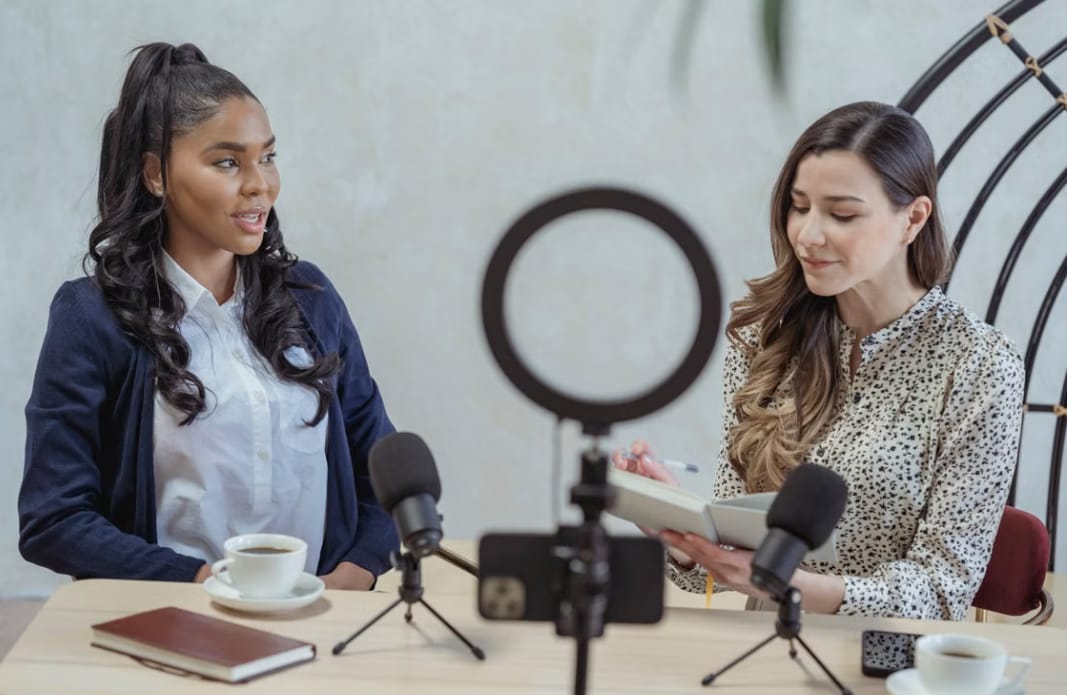
Professional media training specialists often use realistic interview exercises, recorded practice sessions, and personalised feedback to help participants improve.
The goal is not to make someone sound rehearsed. It is to help them communicate naturally, stay focused, and represent their organisation professionally.
1. How to Hire a Media Training Expert
Finding the right media training expert depends on your goals, industry, experience level, and the type of media exposure you expect.
For example, a business owner preparing for their first television interview may need different support from a CEO who regularly speaks to national journalists.
When looking for media training experts, consider the following factors.
Relevant Media Experience
Look for a trainer who understands how the media works. Experience in journalism, broadcast interviews, public relations, or corporate communications can be particularly valuable.
A good trainer should understand what journalists look for, how interviews are structured, and how difficult questions are developed.
Practical Training Methods
Media training should involve more than presentations and theoretical advice.
Look for experts who offer:
Mock television and radio interviews.
Recorded interview practice.
Personalised performance feedback.
Challenging question simulations.
Message development exercises.
Practical techniques for handling pressure.
Industry Knowledge
Some industries face more complicated media challenges than others. Healthcare, finance, technology, manufacturing, and public services may require specialist knowledge.
Choose someone who understands the communication challenges relevant to your organisation.
One-to-One Media Training
If you need personalised attention, consider a one-to-one media training expert.
Individual sessions allow the trainer to focus on your communication style, professional responsibilities, interview experience, and specific improvement areas.
This approach is particularly useful for CEOs, senior executives, business owners, and designated company spokespeople.
How Much Does a Media Training Consultant Charge?
Media training consultant pricing depends on several factors, including:
The trainer's experience and reputation.
Whether the training is individual or group-based.
The length of the programme.
Whether sessions are online or in person.
The complexity of the media situation.
Whether follow-up coaching is included.
A short virtual coaching session will generally require a different investment from a full-day corporate media training programme.
For an accurate quotation, ask providers about their session structure, preparation time, practical exercises, and any additional costs.
Rather than choosing the cheapest option, consider the value of the training and whether it addresses your actual communication challenges.
2. Best Media Training Companies: How to Compare Your Options
Choosing between the best media training companies can be difficult because different providers offer different approaches.
Some specialise in executive media coaching, while others focus on corporate training, crisis communications, or online learning.
Before selecting a provider, compare the following areas.
Experience and Reputation
Look at the company's background, trainer qualifications, client experience, and independent reviews.
Media training agency reviews can help you understand how previous clients describe the training experience. However, do not rely entirely on testimonials. Ask for examples of the types of organisations and professionals the company has worked with.
Training Specialisation
Not every provider offers the same services. Some focus on:
Corporate media training.
Executive interview coaching.
Crisis communication training.
Broadcast interview preparation.
Spokesperson development.
Online media training programmes.
Choose a company whose specialisation matches your requirements.
Media Training Agency vs Consultant
Both media training agencies and independent consultants can deliver effective training, but there are some differences.
Media training agencyIndependent media training consultantMay have a team of trainersUsually works directly with clientsCan support larger organisationsOften provides personalised coachingMay offer multiple specialist servicesMay have a focused area of expertiseSuitable for larger training programmesSuitable for individual or smaller sessionsMay provide ongoing organisational supportMay offer direct access to the trainer
The right choice depends on your organisation's needs.
A large business requiring training for several departments may benefit from a corporate media training company. A senior leader seeking private coaching may prefer an experienced independent consultant.
What Should Businesses Look for in a Media Training Provider?
Businesses should look for a provider that understands corporate reputation, leadership communication, stakeholder expectations, and the realities of working with journalists.
The best media training providers for businesses should be able to adapt their programmes to different roles, experience levels, and communication risks.
A good training partner should also explain how progress will be assessed and provide practical feedback participants can use immediately.
3. Media Training for Executives: Why Senior Leaders Need It
Senior leaders regularly represent their organisations in situations where their words can influence public perception, employee confidence, investor relationships, and customer trust.
This makes media training for executives an important part of leadership development and corporate communications.
Executive media training coach programmes help CEOs, directors, and senior management teams communicate their ideas clearly while maintaining confidence under pressure.
Media Coaching for CEOs
CEOs often face interviews about business performance, company decisions, industry developments, organisational changes, and unexpected challenges.
Media coaching for CEOs focuses on:
Communicating business strategy in simple language.
Explaining complex subjects to general audiences.
Responding to challenging questions.
Maintaining a consistent leadership message.
Avoiding unnecessary technical language.
Building credibility during interviews.
The aim is to help CEOs communicate with authority without sounding overly formal or scripted.
Media Training for Senior Leaders
Senior leaders may represent their organisation at conferences, industry events, press briefings, and broadcast interviews.
Professional media training for senior leaders helps them understand how to communicate key messages while responding appropriately to different interview styles.
It also prepares them to handle questions about sensitive business matters without becoming defensive or losing focus.
Executive Interview Training
Executive interview training generally includes realistic interview scenarios, message preparation, voice and body language coaching, and feedback.
Participants may practise answering questions about:
Company performance.
New products and services.
Business expansion.
Industry challenges.
Leadership decisions.
Organisational changes.
Public criticism.
Media Training for Company Spokespeople
Company spokespeople need to communicate consistently and accurately, particularly when speaking on behalf of an organisation.
Media training helps them understand their responsibilities, stay within approved messaging, and avoid speculation when discussing sensitive subjects.
Private media coaching for executives can also be useful when an individual needs confidential, focused preparation before an important interview or public announcement.
4. Crisis Media Training: Preparing for Difficult Situations
A company crisis can develop quickly. It might involve a product recall, customer complaint, operational failure, data breach, workplace incident, regulatory issue, or negative media coverage.
During these situations, journalists may ask difficult questions while the organisation is still assessing what has happened.
This is why crisis media training is an important part of reputation management and crisis communication planning.
What Does Crisis Media Training Cover?
Crisis media training prepares executives and company spokespeople to communicate responsibly during challenging situations.
A typical programme may include:
Responding to unexpected media enquiries.
Handling challenging and sensitive questions.
Communicating verified information.
Avoiding speculation and unsupported claims.
Expressing empathy where appropriate.
Explaining the organisation's response.
Maintaining consistency across communication channels.
Crisis Media Training Expert
A crisis media training expert helps organisations understand how media pressure can affect communication and decision-making.
Rather than simply teaching participants what to say, an experienced specialist prepares them for realistic scenarios where information may be incomplete and questions may be uncomfortable.
Crisis Interview Coaching for Executives
Crisis interview coaching for executives focuses on helping senior leaders remain calm, clear, and responsible when answering difficult questions.
For example, an executive may be asked:
Why did the company fail to identify the problem earlier?
Who is responsible for what happened?
Are customers or employees at risk?
What action is the company taking?
Can you guarantee this will not happen again?
Training helps executives respond honestly, acknowledge concerns, explain confirmed actions, and avoid making promises they cannot support.
Media Training for a Company Crisis
Media training for a company crisis should ideally happen before an emergency occurs.
Organisations can use simulated crisis scenarios to practise communication procedures, test spokesperson readiness, and identify weaknesses in their response.
Emergency media interview training can also be arranged when an organisation needs immediate preparation for an unfolding situation.
However, crisis communication training should always reinforce accuracy and transparency rather than encourage misleading or evasive responses.
5. Online Media Training Courses: Are They Worth It?
Not everyone needs a full-day, in-person training programme. For professionals with busy schedules or limited budgets, an online media training course may be a practical starting point.
Online programmes can help participants understand interview techniques, develop key messages, and learn how to communicate more confidently.
What Do Online Media Training Courses Include?
A typical virtual media training programme may cover:
Understanding the media landscape.
Preparing for interviews.
Developing key messages.
Handling difficult questions.
Improving verbal communication.
Managing nerves.
Understanding interview mistakes.
Building confidence in front of a camera.
Some programmes offer live coaching, while others provide recorded lessons and self-paced learning materials.
Best Online Media Training Courses
When comparing the best online media training courses, look beyond the course title.
Check whether the programme includes practical examples, realistic interview scenarios, trainer feedback, and relevant learning materials.
A course that offers opportunities to practise is often more useful than one that only provides general information.
Self-Paced Media Training Course
A self-paced media training course allows participants to learn at their own speed.
This can be helpful for professionals who want to understand the basics before participating in a formal interview or attending individual coaching sessions.
However, self-paced learning has limitations. Participants may not receive personalised feedback or experience realistic interview pressure.
Online Press Interview Training
Online press interview training helps individuals prepare for interviews conducted through video calls, virtual press briefings, podcasts, and other digital platforms.
It may also cover camera positioning, lighting, microphone use, eye contact, and speaking clearly during online interviews.
Virtual Media Coaching vs In-Person Training
Both approaches can be effective, depending on the training objectives.
Virtual media coachingIn-person media trainingConvenient for remote teamsOffers face-to-face interactionReduces travel requirementsAllows more direct physical feedbackSuitable for video interview preparationUseful for broadcast and studio simulationsCan be easier to scheduleOften provides a more immersive experienceMay include online mock interviewsCan use professional camera and studio equipment
For individuals preparing for television or radio appearances, in-person practice can be particularly useful. However, virtual coaching is a strong option for professionals who regularly conduct remote interviews.
6. How to Prepare for a Media Interview
Preparing properly for a media interview can make a significant difference to the quality of your performance.
Whether you are speaking to a local journalist, appearing on television, or participating in a podcast, a little preparation can help you communicate more confidently.
Here are some practical steps.
Understand the Interview Topic
Start by understanding why the journalist wants to speak with you.
Research the topic, identify the main issues, and consider what the audience will want to know.
If possible, ask about the interview format, expected duration, publication or broadcast, and the subjects likely to be discussed.
Prepare Three or Four Key Messages
You do not need to memorise an entire speech.
Instead, identify three or four important points you want the audience to understand.
Keep your messages clear, relevant, and easy to explain.
Supporting each message with a practical example, relevant fact, or short explanation can make your answers more memorable.
Practise Difficult Questions
One of the most important parts of media preparation is practising questions you may not want to answer.
Think about the areas where a journalist might challenge your position.
For example:
What went wrong?
Why should people trust your organisation?
What evidence supports your statement?
What would you do differently?
Why has this issue taken so long to resolve?
Practising these questions helps reduce uncertainty and improves confidence.
Keep Your Answers Clear and Concise
Long answers can make it difficult for an audience to understand your main point.
Try to answer the question directly, explain your reasoning, and provide relevant information.
Avoid unnecessary jargon, complicated explanations, and vague statements.
Pay Attention to Body Language
Your communication is not limited to the words you use.
Eye contact, facial expressions, posture, and tone of voice all influence how your message is received.
Practise speaking naturally and maintaining a calm, professional presence.
7. What to Expect in Media Training
If you have never attended media training before, it is normal to wonder what happens during a session.
Most professional programmes begin with a discussion about your role, experience, objectives, and upcoming media requirements.
The trainer then introduces relevant techniques and gives you opportunities to practise.
A typical session may include:
Initial assessment: The trainer reviews your experience, communication style, and training objectives.
Message development: You identify the main points you want to communicate.
Interview practice: You participate in simulated interviews based on realistic media situations.
Recorded performance: Your interview may be recorded so you can review your communication style.
Feedback: The trainer identifies strengths and areas that need improvement.
Further practice: You repeat selected exercises to apply the feedback.
How Does Media Training Work?
Media training works through a combination of preparation, practical exercises, observation, and feedback.
Participants learn how to understand interview dynamics, organise their thoughts, communicate key messages, and respond to challenging questions.
The more realistic the exercises, the better prepared participants are likely to feel when facing an actual interview.
What Do Media Training Experts Teach?
Professional media training experts typically teach participants how to:
Understand journalist expectations.
Prepare for different interview formats.
Develop effective messages.
Answer difficult questions.
Communicate confidently.
Avoid common interview mistakes.
Maintain control of their communication without ignoring the question.
Respond appropriately when they do not know an answer.
The emphasis is on honest, clear, and effective communication.
8. How to Answer Tough Questions in an Interview
Difficult questions are a normal part of media interviews. Journalists may challenge your statements, question company decisions, or ask about sensitive issues.
The key is to remain calm and answer responsibly.
Here are some practical techniques.
Listen carefully: Make sure you understand the question before responding. Avoid interrupting the journalist.
Answer directly: Address the main point instead of giving a long, unrelated explanation.
Use supporting facts: Where possible, support your response with accurate information, examples, or evidence.
Acknowledge concerns: If a question raises a genuine issue, recognise it rather than dismissing it.
Correct inaccuracies politely: If a question contains incorrect information, explain the facts clearly and respectfully.
Be honest about uncertainty: If you do not know something, say so. Explain what information is available and whether you can provide an update later.
A good interview response should help the audience understand the issue rather than create further confusion.
9. How to Stay Calm During a Media Interview
Feeling nervous before an interview is completely normal, particularly when speaking live or discussing a sensitive subject.
However, there are ways to manage that pressure.
Prepare your key messages in advance.
Practise answering questions aloud.
Take a moment to think before responding.
Speak at a comfortable pace.
Breathe naturally and maintain good posture.
Avoid memorising every sentence.
Focus on communicating with the audience rather than impressing the journalist.
Working with media training specialists can also help you become more comfortable with interview situations through repeated practice.
The aim is not to eliminate nervousness completely. It is to develop the confidence to communicate effectively even when you feel under pressure.
10. Why Do Leaders Need Media Training?
Leadership communication plays an important role in how employees, customers, investors, journalists, and other stakeholders view an organisation.
A CEO or senior executive may have excellent industry knowledge but still struggle to explain complex information in a short interview.
Media training helps bridge that gap.
Leaders benefit from training because it helps them:
Communicate their organisation's vision.
Explain business decisions clearly.
Represent the company professionally.
Handle public criticism.
Respond to challenging questions.
Build credibility with different audiences.
Communicate consistently during uncertain situations.
Media training is not only for leaders who appear regularly in the press. It is also valuable for professionals who may need to speak publicly at short notice.
11. How to Choose the Right Media Training Specialists
Choosing the right media training specialists requires more than comparing prices or selecting the first provider you find online.
Start by identifying your main objective.
Are you preparing for a specific interview? Do you need ongoing executive coaching? Are you developing a spokesperson programme for your organisation? Or are you preparing for a potential crisis?
Once you understand your requirements, compare providers based on the following criteria:
Relevant experience: Does the trainer understand your industry and the media formats you are likely to face?
Personalised approach: Will the training reflect your role, communication style, and objectives?
Practical exercises: Does the programme include realistic interview simulations?
Useful feedback: Will you receive specific recommendations for improvement?
Flexible delivery: Can the provider offer online, in-person, individual, or group sessions?
Transparent pricing: Are the costs and services clearly explained?
Ongoing support: Is additional coaching available when your needs change?
A reliable provider should be able to explain what the training involves, who will deliver it, and what you can reasonably expect to achieve.
Conclusion: Invest in Professional Media Training Services
Effective communication is an important skill for anyone who represents a business, organisation, or professional brand.
Whether you need one-to-one media coaching, executive interview preparation, crisis spokesperson training, or a complete corporate programme, professional media training services can help you become more confident and prepared.
The right media training experts will not simply teach you how to speak in front of a camera. They will help you understand the media environment, prepare meaningful messages, respond to difficult questions, and communicate naturally under pressure.
When comparing media training companies, focus on relevant experience, practical training methods, personalised support, and the ability to meet your specific objectives.
Ultimately, working with experienced media training specialists is an investment in clearer communication, stronger leadership, and a more confident public presence.
Frequently Asked Questions About Media Training
1. What is a media training expert?
A media training expert is a professional who helps individuals and organisations prepare for interviews, press conferences, broadcast appearances, and other media interactions. They teach communication techniques, interview preparation, message development, and ways to handle challenging questions.
2. How do I hire a media training expert?
Start by identifying your training requirements, then research experienced trainers and media training companies. Compare their industry knowledge, practical exercises, client feedback, training formats, and pricing before making a decision.
3. How much does media training cost?
Media training costs vary according to the trainer's experience, session length, delivery format, and level of personalisation. Individual coaching, group programmes, and full-day corporate training generally have different pricing structures. Request a tailored quotation for an accurate estimate.
4. Which are the best media training companies?
The best media training company is one that matches your objectives and offers experienced trainers, practical interview exercises, personalised feedback, and relevant industry knowledge. Compare providers rather than relying only on rankings or testimonials.
5. Is media training for executives necessary?
Yes. Executive media training helps CEOs and senior leaders communicate business decisions, respond to difficult questions, represent their organisations, and build credibility with the public and stakeholders.
6. What is crisis media training?
Crisis media training prepares company representatives to handle interviews and media enquiries during difficult situations. It focuses on communicating accurate information, responding to sensitive questions, expressing empathy, and maintaining clear messaging.
7. Can I take an online media training course?
Yes. Online media training courses are available in live, virtual, and self-paced formats. They can cover interview preparation, communication skills, message development, and difficult-question techniques.
8. Is online media coaching as effective as in-person training?
Online coaching can be highly effective, particularly for virtual interview preparation and individual feedback. In-person training may be more suitable when participants need broadcast studio practice, face-to-face exercises, or more immersive simulations.
9. What do media training specialists teach?
Media training specialists teach interview preparation, message development, communication techniques, body language, voice control, difficult-question handling, and ways to stay calm during media interactions.
10. How long does media training take?
The duration depends on your objectives. Some programmes involve a few hours of individual coaching, while others include full-day sessions or multiple training modules delivered over several weeks.
11. Who needs media training?
CEOs, business owners, senior executives, company spokespeople, public relations professionals, communication teams, and anyone who may represent an organisation in front of the media can benefit from media training.
12. Can media training help someone who has never given an interview?
Absolutely. Beginners can learn how interviews work, how to prepare key messages, how to answer questions clearly, and how to develop confidence through practical exercises.
13. What is the difference between media training and public speaking training?
Media training focuses on interviews and interactions with journalists, including challenging questions and broadcast communication. Public speaking training generally focuses on presentations, speeches, conferences, and addressing an audience.
14. How often should executives receive media training?
Executives should receive training when taking on a public-facing role, preparing for important interviews, or facing significant changes in their organisation. Refresher sessions are also useful when media responsibilities or communication challenges change.