Managing employees efficiently is one of the biggest challenges for growing businesses. From tracking attendance and managing employee records to handling payroll and monitoring performance, HR teams have multiple responsibilities every day. Managing these activities manually can lead to errors, delays, and unnecessary administrative work.
This is where Employee Management Software becomes essential. It helps businesses automate HR operations, organize employee information, improve workforce productivity, and create a smooth employee experience.
Whether you run a startup, small business, or large organization, the right employee management solution can simplify daily HR tasks and support long-term business growth.
What Is Employee Management Software?
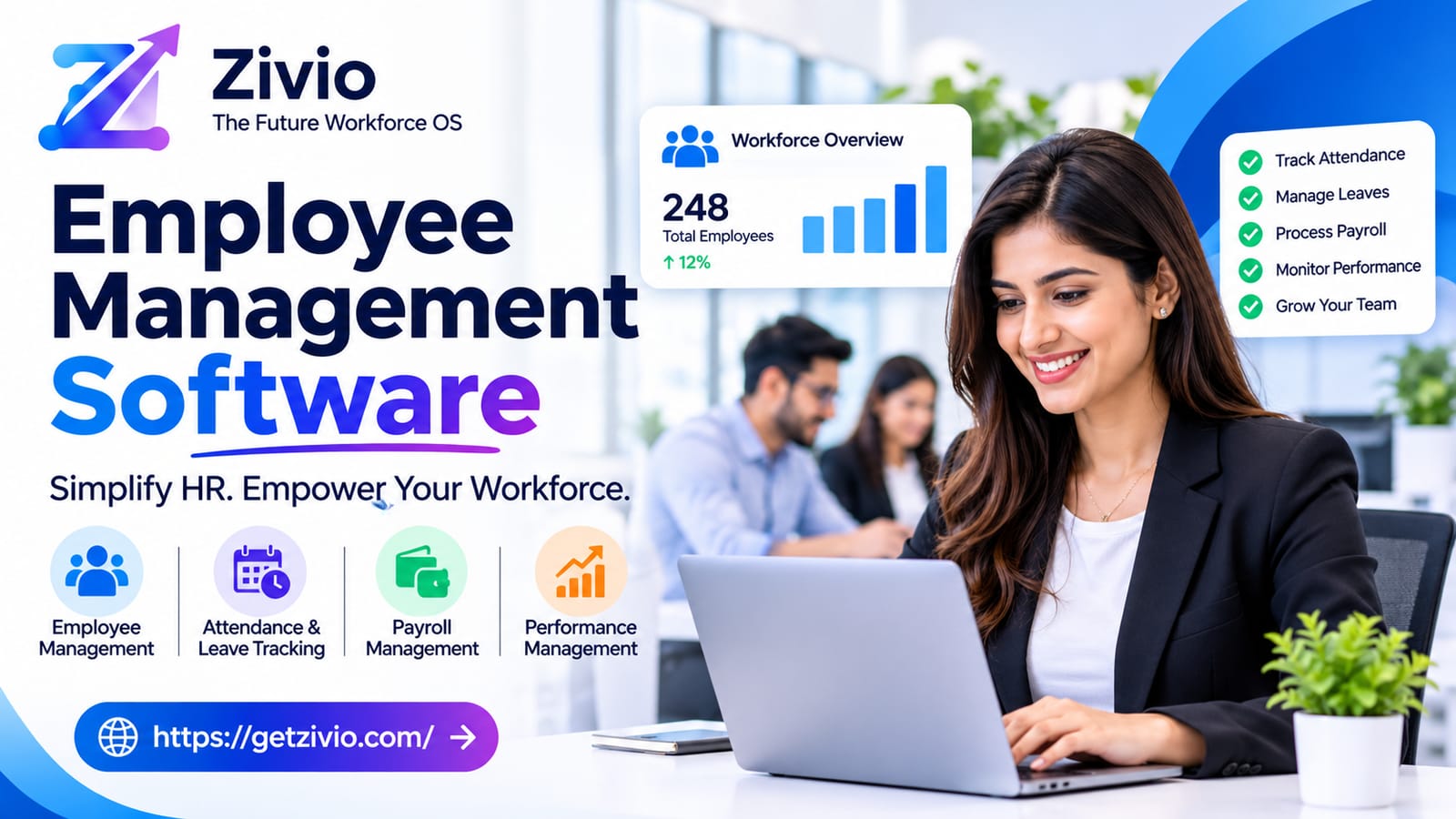
Employee Management Software is a digital solution that helps organizations manage their workforce from a centralized platform. It allows HR professionals and business owners to handle employee information, attendance, leave requests, performance records, and other HR activities.
Instead of maintaining multiple spreadsheets and physical documents, businesses can store and manage employee data in one secure system.
Modern employee management platforms offer features such as:
Employee information and document management
Attendance and leave tracking
Payroll processing
Employee onboarding and offboarding
Performance monitoring
Recruitment management
HR reporting and analytics
By bringing these activities together, businesses can reduce manual work and improve HR efficiency.
Why Do Businesses Need Employee Management Software?
Traditional HR management methods often create challenges as businesses grow. Managing employee records manually becomes time-consuming, while tracking attendance and calculating salaries through spreadsheets increases the chances of errors.
Here are some important reasons why businesses should adopt employee management technology.
1. Centralized Employee Information
Employee information is often scattered across different files, spreadsheets, and documents. This makes it difficult for HR teams to find accurate information quickly.
Employee Management Software provides a centralized database where businesses can store employee profiles, contact details, employment history, documents, and other important records.
2. Improved Workforce Productivity
HR professionals spend significant time managing repetitive administrative activities. Automating these processes allows them to focus on employee engagement, talent development, and strategic workforce planning.
Businesses can also explore Workforce Management Software to organize workforce activities and improve operational efficiency.
3. Better Attendance and Leave Tracking
Manual attendance registers and leave spreadsheets can create confusion and inaccurate records.
An automated system makes it easier to monitor working hours, employee attendance, leave balances, and absence records. Managers can review requests and maintain better workforce visibility.
4. Accurate Payroll Management
Payroll errors can affect employee satisfaction and create unnecessary administrative complications.
Integrating HR information with payroll processes helps businesses manage salary calculations, deductions, and employee payment records more efficiently.
Key Features of Employee Management Software
Before selecting an employee management solution, businesses should understand the essential features that support everyday HR operations.
Employee Database Management
A centralized employee database stores important workforce information in one location. HR teams can easily access employee details, documents, job roles, and employment records whenever required.
Employee Onboarding and Offboarding
Managing employee transitions is an important part of HR operations. Software can help organize onboarding activities, documentation, joining formalities, and exit procedures.
Attendance and Leave Management
An effective employee management platform simplifies attendance tracking and leave administration. It helps HR teams monitor employee working hours, approve leave requests, and maintain accurate attendance records.
Performance Management
Tracking employee performance helps organizations understand productivity, identify skill gaps, and improve workforce development.
Performance management features can support goal setting, employee evaluations, feedback collection, and performance reviews.
Reporting and Analytics
HR reports provide valuable insights into workforce activities. Businesses can analyze employee attendance, workforce distribution, employee performance, and other important HR metrics.
These insights support better decision-making and improve organizational planning.
How Employee Management Software Supports Small Businesses
Small businesses often operate with limited HR resources. Business owners and managers may handle recruitment, payroll, attendance, and employee administration themselves.
Using separate tools for every HR activity can increase operational costs and complexity.
A centralized employee management platform helps small businesses simplify these responsibilities.
Some important benefits include:
Reducing repetitive administrative tasks.
Maintaining organized employee records.
Improving attendance monitoring.
Simplifying payroll coordination.
Supporting better employee communication.
Improving overall HR productivity.
Businesses looking for scalable solutions can also consider HR Software for Small Businesses to streamline HR activities as their teams expand.
Employee Management Software vs. Traditional HR Management
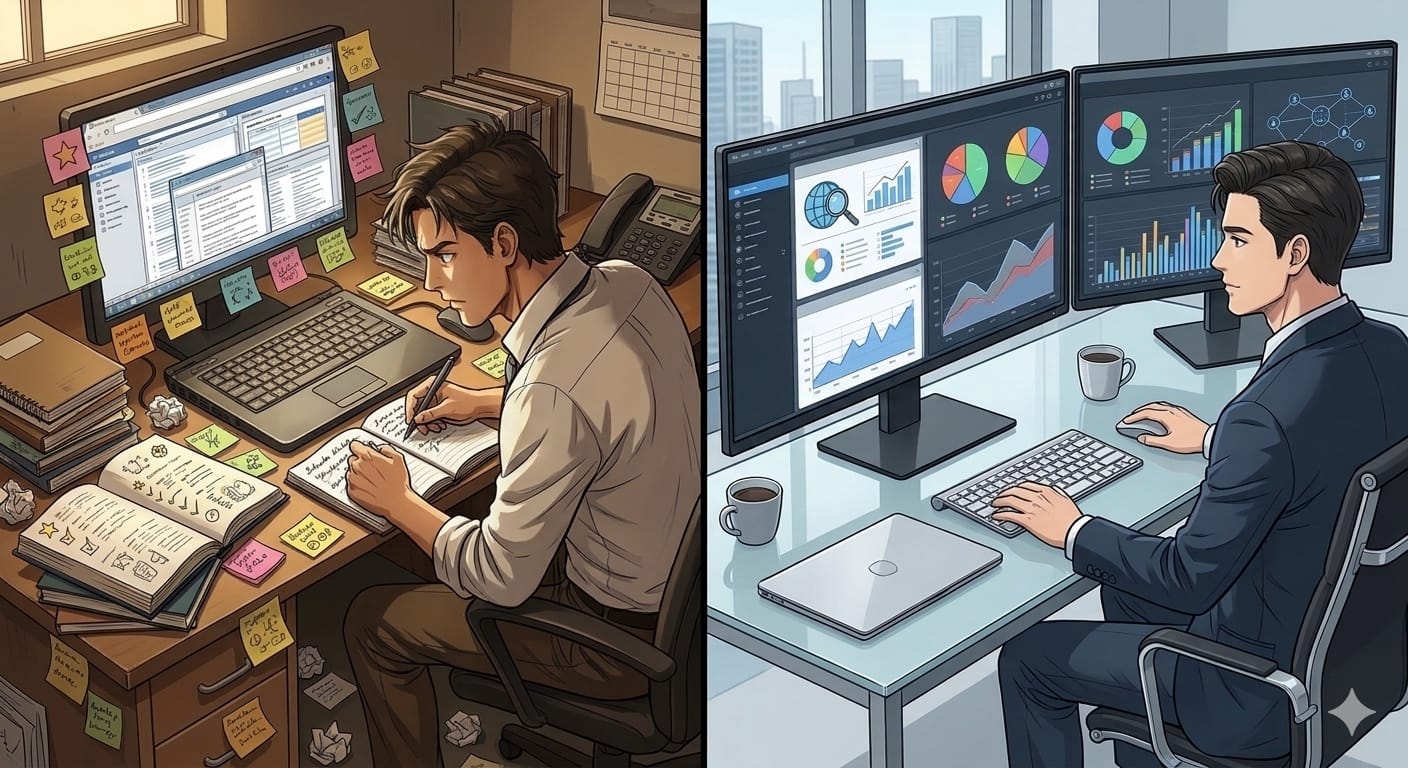
Traditional HR management relies heavily on manual documentation, spreadsheets, and separate systems. While these methods may work for very small teams, they become difficult to manage as employee numbers increase.
Traditional HR Management
Employee Management Software
Manual employee records
Centralized digital database
Spreadsheet-based attendance
Automated attendance tracking
Time-consuming reporting
Faster HR reporting
Manual data updates
Organized employee information
Repetitive administrative work
Streamlined HR workflows
Limited workforce visibility
Better workforce insights
Digital HR systems help organizations manage employee-related information more efficiently while reducing unnecessary manual processes.
How to Choose the Right Employee Management Software
Choosing the right platform requires understanding your organization's HR requirements and future growth plans.
Consider these factors before making a decision:
1. Easy-to-Use Interface: Select software that employees, managers, and HR professionals can use without extensive training.
2. Essential HR Features: Look for employee records, attendance tracking, leave management, onboarding, and performance management.
3. Payroll Integration: Choose a solution that supports smooth coordination between employee information and payroll operations.
4. Data Security: Employee information is confidential. Make sure the platform offers appropriate security controls and access permissions.
5. Scalability: Select software that can support your organization as your workforce grows.
6. Pricing and Support: Compare available plans, features, and customer support before making a final decision.
Why Choose Zivio for Employee Management?
Managing HR activities becomes easier when businesses have the right technology in place. Zivio provides business management solutions designed to help organizations streamline important operational activities.
With Zivio, businesses can explore solutions for HR management, payroll processing, and employee-related operations through a connected digital platform.
Explore Zivio Employee Management Software to learn more about managing employee information and HR activities efficiently.
Businesses can also explore the Payroll Management Software solution to simplify payroll-related operations.
Visit the Zivio official website to discover more about its business management solutions.
Conclusion
Employee management plays an important role in business success. As organizations grow, managing employee information, attendance, performance, and HR activities manually becomes increasingly challenging.
Implementing the right Employee Management Software helps businesses centralize workforce information, reduce administrative workloads, improve HR processes, and support better employee experiences.
For startups, small businesses, and growing organizations, adopting a reliable employee management solution is a practical step toward building a more organized and productive workplace.