Introduction: Why Two Siding Quotes Can Have Very Different Prices
Receiving two or three siding estimates can make a home improvement project feel straightforward. However, homeowners sometimes discover that the quotes they receive are not actually comparing the same work.
One contractor may provide a complete siding replacement estimate that includes removing the existing exterior material, disposing of construction debris, preparing the wall surface, and installing new siding. Another contractor may offer a noticeably lower price because the estimate covers only the installation of new siding over an existing surface or assumes that removal will be handled separately.
At first glance, the lower estimate might appear to be the better deal. But once additional labor, disposal, preparation, and possible repairs are added, the final project cost could become considerably different.
This is why comparing siding quotes requires more than looking at the total price. You need to understand exactly what each contractor plans to do, which materials are included, how the existing siding will be handled, and what additional expenses could arise during the project.
Whether you are considering vinyl siding installation, replacing aging exterior materials, or exploring different siding options, understanding these differences can help you make a more informed decision.
The goal is simple: compare the complete scope of work, not just the number printed at the bottom of the estimate.
1. Understand What Siding Removal Actually Includes
Before comparing estimates, understand what contractors mean when they mention siding removal.
Removing existing siding is a separate part of many exterior renovation projects. Depending on the home's condition and the existing material, the work may involve taking down old panels, removing damaged trim, clearing fasteners, handling loose components, and preparing the exterior wall for the next stage.
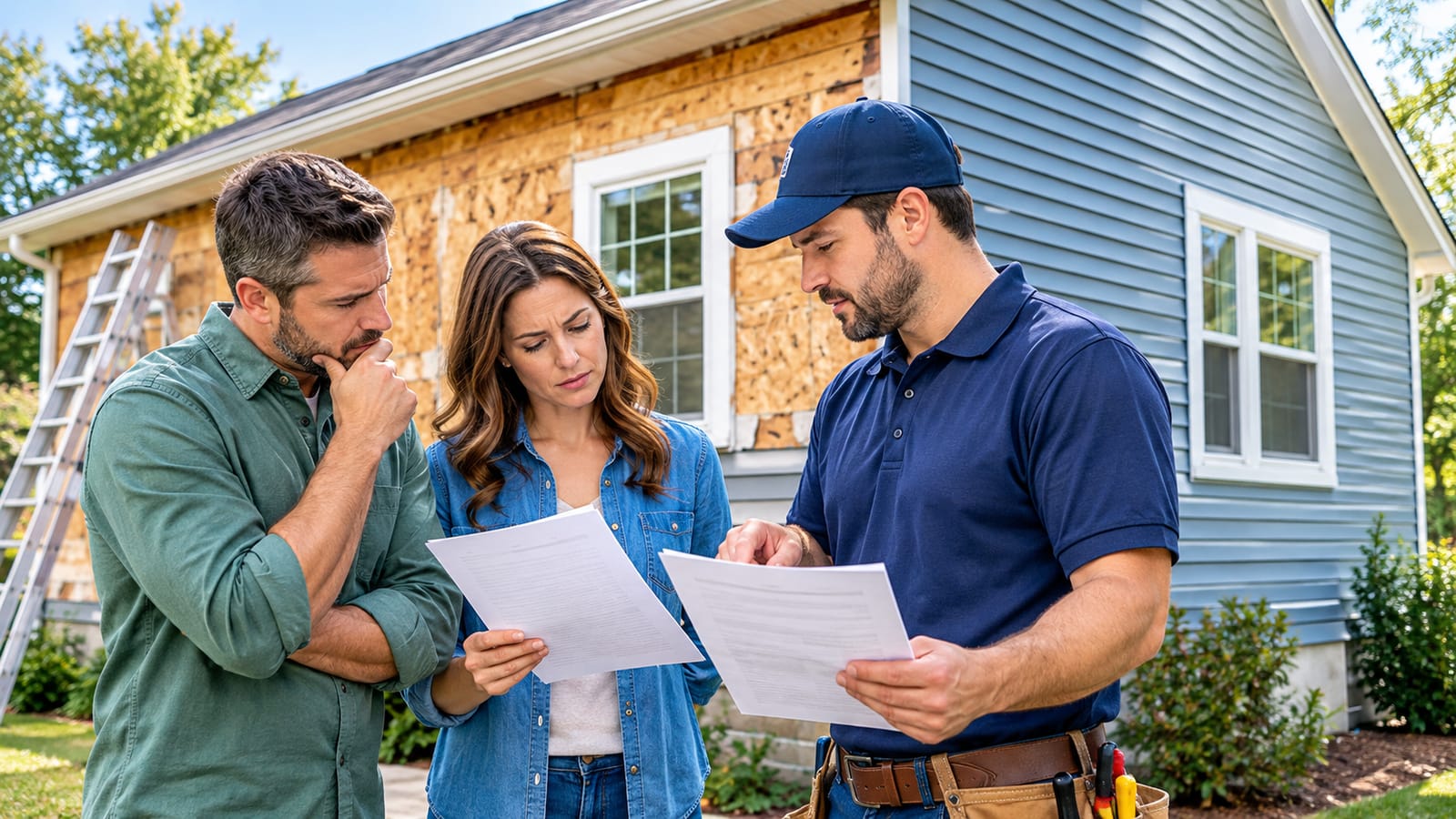
Removal can also reveal conditions that were not visible during the original inspection.
For example, a contractor removing older siding might discover:
Rotted or deteriorated wall sheathing.
Water staining around windows and doors.
Damaged house wrap or weather-resistive barriers.
Loose or deteriorated flashing.
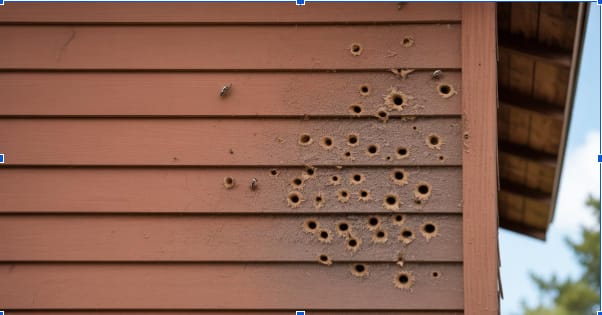
Insect damage in concealed areas.
Uneven wall surfaces that require additional preparation.
These conditions should be evaluated before new siding is installed. Covering an underlying problem without understanding its cause may create additional difficulties later.
Does Every Siding Replacement Project Require Complete Removal?
Not necessarily. The appropriate approach depends on the existing siding, wall condition, installation requirements, local building regulations, and the manufacturer's instructions.
Some siding products may be installed over certain existing surfaces when the assembly is suitable and properly prepared. Other situations require removal to inspect or correct the underlying wall.
For instance, installing new vinyl siding over an existing surface may be possible in some circumstances, but it should not be treated as a universal shortcut.
Ask the contractor to explain why removal is recommended or excluded. A clear explanation is more valuable than simply accepting the lowest estimate.
2. Compare the Scope of Work Before Comparing the Total Price
The scope of work explains what the contractor has agreed to complete. It is one of the most important sections of any siding estimate.
Two estimates may use similar descriptions, such as complete siding replacement, while covering very different activities.
One proposal might include old siding removal, wall preparation, house wrap, flashing adjustments, new siding, trim, cleanup, and disposal. Another might include only new siding materials and installation labor.
This comparison helps reveal which contractor is offering a more complete service.
Do not assume that an item is included simply because the estimate mentions siding replacement. Ask for written confirmation.
Ask for a Written Explanation of Excluded Work
If removal is excluded, ask whether the contractor expects the existing siding to remain in place, whether another professional will remove it, or whether you are responsible for arranging the work.
Also ask whether the quoted price will change if the existing material cannot safely or properly remain.
A reliable estimate should make these responsibilities clear before the project begins.
3. Calculate the Real Cost of Siding Removal and Disposal
The contractor who includes removal may initially appear more expensive. However, that price could already account for work that the other contractor has left out.
To make a fair comparison, calculate the complete expected project cost.
Consider these components:
New siding materials.
Installation labor.
Existing siding removal.
Loading and handling debris.
Disposal or recycling charges.
Surface preparation.
Weather barrier or house wrap.
Flashing and trim adjustments.
Additional repairs.
Final cleanup.
Removal costs can vary depending on the existing siding material, the number of layers, the size and shape of the home, accessibility, labor requirements, and disposal arrangements.
For example, removing older wood siding may involve different labor and handling requirements from removing vinyl panels. Multiple siding layers may also increase the amount of work.
Why the Lowest Estimate May Not Be the Cheapest Project
Imagine two hypothetical estimates:
In this example, Contractor A has the higher initial quote but the lower estimated total.
These figures are illustrative only, not standard market prices. Actual costs depend on the property, location, material, labor, and project conditions.
The important lesson is that an estimate should be evaluated according to the complete work required, not the initial advertised price.
4. Check Whether Wall Preparation and Hidden Repairs Are Included
One of the biggest differences between a basic siding installation quote and a complete replacement proposal is the amount of preparation included before the new material goes onto the wall.
Once the old siding is removed, the contractor may need to inspect the exposed surface and determine whether it is suitable for the new installation.
Wall preparation may include:
Removing remaining nails, fasteners, and loose materials.
Checking the sheathing for visible deterioration.
Addressing uneven areas that could affect siding installation.
Inspecting window and door openings.
Reviewing existing flashing and moisture protection.
Replacing damaged sections when necessary.
A contractor who includes removal should explain what happens after the existing siding comes off. Removal alone does not guarantee that the wall is ready for new materials.
Ask How Unexpected Damage Will Be Handled
Hidden damage can change the project scope. For example, a contractor might discover deteriorated sheathing beneath a window or moisture damage near a roofline.
Ask whether the contractor will document the condition, provide photographs, explain the necessary repair, and request your approval before performing additional work.
It is also important to distinguish between minor preparation included in the original quote and significant repairs that require additional materials or labor.
A written process for handling unexpected conditions can help prevent disagreements about the final invoice.
5. Compare the Siding Materials, Not Just the Removal Charges
The type and quality of siding included in each estimate can make a significant difference in the overall value of a project.
For example, two contractors may both quote vinyl siding replacement, but the products may differ in thickness, profile, texture, color, manufacturer specifications, and warranty coverage.
Before comparing prices, confirm that both estimates describe comparable products.
If you are considering Vinyl siding, review the following details:
Product manufacturer and collection.
Panel profile and dimensions.
Product specifications and thickness.
Color and finish options.
Insulation features, if applicable.
Manufacturer warranty.
Installation instructions and requirements.
Availability of matching accessories and trim.
Do Not Overlook Product Differences
A lower-priced estimate might include a basic product, while another contractor may recommend a different product with additional features.
Neither option is automatically better. The important thing is to understand what you are purchasing.
Consider the home's location, weather exposure, maintenance expectations, and overall exterior design.
For homeowners researching vinyl siding colors, it is also worth confirming whether the quoted price covers the selected color or whether certain finishes and product collections cost more.
Comparing identical or similar product specifications makes the price difference much easier to understand.
6. Understand How Removal Affects Vinyl Siding Installation
Vinyl siding installation involves more than attaching panels to an exterior wall. Proper installation requires attention to the wall assembly, moisture management, panel movement, fastening, openings, and finishing details.
When existing siding is removed, the contractor may have a better opportunity to inspect the underlying surface and address conditions that could affect the new installation.
However, the decision to remove existing siding should be based on the property's actual condition and the requirements of the proposed installation.
What Should Be Checked Before Installing New Vinyl Siding?
Wall condition: The surface should be evaluated for deterioration, moisture-related damage, and areas requiring repair.
Weather protection: The contractor should explain whether an existing weather-resistive barrier is suitable or whether replacement is needed.
Flashing details: Window, door, roofline, and other wall openings should be reviewed for appropriate water management.
Expansion and movement: Vinyl siding expands and contracts with temperature changes. The installation must follow the manufacturer's fastening and clearance requirements.
Trim and finishing: Corners, starter strips, J-channels, soffit connections, and other accessories should be included in the project plan where required.
These details matter because attractive new siding cannot compensate for poor preparation or incorrect installation practices.
7. Compare Labor, Project Time, and Disposal Responsibilities
Contractor estimates should also explain how the project will be managed.
When one contractor includes removal and another excludes it, the project schedule may be different.
If removal is handled separately, you might need to coordinate another crew before the siding installers can begin. This can create scheduling challenges, additional visits, and confusion about responsibility for damage or delays.
Ask both contractors:
Who will remove the existing siding?
Who will arrange debris collection?
Who is responsible for disposal fees?
How will the exposed walls be protected during the project?
How many working days are expected?
Who will coordinate additional repairs?
Who is responsible for final cleanup?
Will the same company handle removal and installation?
Also ask how the home will be protected if rain or severe weather occurs while the exterior is exposed.
A clearly organized project can make the renovation easier to manage, even if the initial estimate is not the lowest.
8. Review Warranty Coverage and Contractor Responsibilities
A siding estimate should explain more than the materials and labor costs. It should also clarify the responsibilities of the contractor and the coverage available after installation.
There are generally two different types of warranty information to review.
Manufacturer Product Warranty
The manufacturer may provide coverage for certain product defects under specific conditions. Coverage, exclusions, registration requirements, and duration vary by product.
Do not assume that every siding product has identical warranty protection.
Contractor Workmanship Warranty
A contractor may offer a separate warranty covering aspects of installation workmanship.
Ask for the warranty in writing and understand:
What installation issues are covered?
How long does the coverage last?
Are labor and replacement materials included?
What conditions or exclusions apply?
How should warranty concerns be reported?
Who handles warranty-related service requests?
Also check whether the contractor is properly licensed where required, insured, and experienced with the selected siding product.
A detailed estimate combined with clear warranty terms gives you a better understanding of what happens after the installation is complete.
9. Compare Vinyl Siding Colors, Profiles, and Exterior Design Options
Price is important, but the final appearance of your home matters too.
If you are comparing quotes for a new exterior, make sure both contractors are estimating the same design choices.
For example, one proposal might include standard horizontal panels, while another includes additional decorative trim, board-and-batten accents, or different architectural details.
These differences can affect both the material quantity and installation labor.
When reviewing vinyl siding colors, consider how the exterior will work with:
Existing roof colors.
Window frames and exterior doors.
Stone or brick accents.
Fascia and soffit finishes.
Landscape and surrounding architecture.
The overall design of the neighborhood.
Think Beyond the Initial Appearance
The best vinyl siding colors for modern homes are not necessarily the most expensive or fashionable choices. A suitable selection should complement the home's architectural style and work with the surrounding exterior elements.
You can also ask contractors whether the quoted product is available in your preferred color and whether additional accessories will match.
If you are exploring modern vinyl siding ideas for house exteriors, request product samples or photographs of completed projects using comparable materials.
This makes it easier to compare the actual design being offered instead of relying only on general descriptions in the estimate.
10. Understand When Repair or Full Replacement Makes More Sense
Sometimes homeowners request several replacement estimates when only part of the siding may need attention.
Before approving a complete replacement, understand the condition of the existing material and whether localized work is a reasonable option.
For example, cracked or loose panels may require vinyl siding repair rather than removing all the siding from the property.
However, widespread deterioration, repeated moisture concerns, extensive physical damage, or incompatible existing materials may require a broader assessment.
If you are researching how to repair damaged vinyl siding, remember that the correct repair method depends on the location and extent of the damage, the panel design, and the availability of matching materials.
Ask contractors to explain:
Which areas actually need attention?
Can damaged panels be replaced individually?
Are matching products available?
Is there evidence of damage behind the siding?
Would a partial replacement create noticeable differences?
What are the long-term considerations of repairing versus replacing?
A good contractor should explain the available options rather than automatically recommending the largest project.
11. Questions to Ask Before Accepting a Siding Quote
Before signing an agreement, take time to clarify any missing details.
Here are practical questions that can help you evaluate the proposal:
Does the quote include complete removal of the existing siding?
Are multiple layers of old siding included in the removal price?
Are labor, loading, transportation, and disposal included?
Will the wall sheathing be inspected after removal?
Is house wrap included, or will it be charged separately?
Are flashing and window trim adjustments included?
Which siding manufacturer, product, and collection are being quoted?
Are all selected colors and accessories included?
How will hidden moisture damage or rotted sheathing be handled?
Will additional work require my written approval?
What is the expected project schedule?
What workmanship warranty is provided?
Is the contractor insured, and are any required local licenses held?
Does the final agreement include cleanup and debris removal?
What payment schedule and cancellation terms apply?
You should receive clear written answers before making your final decision.
12. Create an Apples-to-Apples Siding Quote Comparison
A simple comparison sheet can prevent you from overlooking important project details.
Once every contractor has provided the same information, compare the complete estimates.
If one quote is missing several details, ask for an updated proposal rather than filling in the gaps yourself.
A transparent estimate should make it possible to understand what you are paying for and what responsibilities remain outside the agreement.
13. Warning Signs to Watch for When Comparing Contractor Estimates
Not every low-priced estimate represents a good opportunity. Some proposals may leave important details unclear, making it difficult to understand the actual project cost.
Pay attention to these warning signs:
Unclear removal terms: The estimate does not explain whether existing siding will be removed or left in place.
Missing disposal information: The contractor mentions removal but does not explain who handles transportation and disposal.
Unspecified materials: The quote says vinyl siding without identifying the product, specifications, or selected collection.
Unclear additional charges: There is no explanation of how hidden damage, wall repairs, or additional labor will be priced.
Unrealistic project promises: The contractor promises a fixed final price without explaining how unexpected conditions will be handled.
No written warranty details: Product and workmanship coverage are mentioned verbally but not documented.
Pressure to sign immediately: You are encouraged to approve the proposal before receiving clear answers about the scope of work.
These issues do not automatically mean a contractor is unsuitable, but they are reasons to request clarification before committing to the project.
14. How to Find a Siding Contractor Who Provides a Clear Estimate
Finding the right professional involves more than searching for the lowest installation price.
When researching vinyl siding contractors, vinyl siding installers, or vinyl siding companies, look for professionals who can explain their proposed work and provide a detailed written estimate.
You can start by reviewing local companies, checking customer feedback, asking for references, and examining photographs of completed projects.
When evaluating contractors, consider:
Experience with the siding material you have selected.
Knowledge of manufacturer installation requirements.
Clear communication about removal and preparation.
Written estimates with itemized project details.
Appropriate insurance and licensing where required.
References or examples of similar projects.
Written workmanship warranty information.
A transparent process for additional repairs.
If you are searching for affordable vinyl siding installation near me, remember that affordability should be evaluated against the complete project scope.
Similarly, if you need to find vinyl siding repair services near me, check whether the contractor handles individual panel repairs, localized damage, and related exterior concerns.
A professional who takes time to explain the work can help you understand the difference between a basic installation price and a complete siding project.
Frequently Asked Questions
1. Why does one siding contractor include removal while another does not?
Contractors may propose different installation approaches depending on the existing siding, wall condition, material requirements, and project scope. One may recommend complete removal for inspection and preparation, while another may believe the existing surface can remain. Ask both to explain their approach and confirm that it meets the new product's installation requirements.
2. Is siding removal included in the cost of replacement?
Not always. Some contractors include removal and disposal in their replacement estimates, while others list them as separate services. Always check the written proposal for removal labor, debris handling, transportation, and disposal charges.
3. Is it cheaper to install new vinyl siding over old siding?
It may reduce certain removal expenses in suitable situations, but it is not automatically the most affordable or appropriate solution. Existing wall conditions, installation requirements, moisture concerns, and the condition of the old material should be evaluated first.
4. How much does vinyl siding replacement cost?
The cost depends on the home's exterior area, selected product, labor, removal requirements, wall preparation, trim, accessibility, and additional repairs. For a meaningful estimate, request a property-specific assessment and make sure removal and disposal are included or separately priced.
5. Does removing old siding reveal hidden damage?
It can. Removing existing material may expose deteriorated sheathing, damaged weather barriers, moisture-related issues, or problems around openings. These conditions should be documented and evaluated before new siding is installed.
6. Should I choose the contractor with the lowest siding quote?
Not necessarily. Compare the materials, labor, removal, disposal, preparation, warranty, and additional charges. A higher initial quote may offer better overall value if it includes more of the work your property requires.
7. Can I remove old siding myself to save money?
Some homeowners consider handling removal independently, but the work can involve safety risks, unfamiliar materials, debris management, and potential damage to the underlying wall. Before attempting it, check local requirements, material-specific precautions, and whether the installation contractor will accept a customer-prepared surface.
8. What should a complete vinyl siding installation quote include?
A detailed quote should identify the product, quantity, installation labor, removal arrangements, disposal, surface preparation, moisture protection, trim, finishing details, project schedule, payment terms, and warranty information. Additional repairs should have a clear approval and pricing process.
9. How do I compare vinyl siding prices from different companies?
Request estimates using the same material specifications, exterior measurements, color selection, and installation requirements. Separate removal, disposal, preparation, and additional repairs from the new siding and installation price so you can understand the complete project cost.
10. Is vinyl siding a good option for homes in extreme weather?
Vinyl siding products differ in their specifications and performance. Consider the manufacturer's guidance for temperature exposure, wind resistance, impact performance, and installation requirements. The home's climate and exposure conditions should influence product selection.
Make Your Siding Decision With a Complete Project Estimate
Comparing siding estimates becomes much easier when you understand what each contractor is actually offering.
A proposal that includes removal, disposal, surface preparation, and installation may have a higher starting price than one covering installation alone. However, the difference in the final project cost may be smaller than it initially appears.
Take time to compare the materials, installation methods, wall preparation, additional repairs, warranty coverage, and project responsibilities. Ask questions whenever something is missing, and request written clarification before signing an agreement.
Whether you are considering vinyl siding replacement, exploring different exterior materials, or looking for professional siding installation, the best decision is based on the complete scope of work and the actual needs of your home.
A good siding estimate should not leave you guessing. It should help you understand what is included, what is excluded, and what you can expect throughout the project.