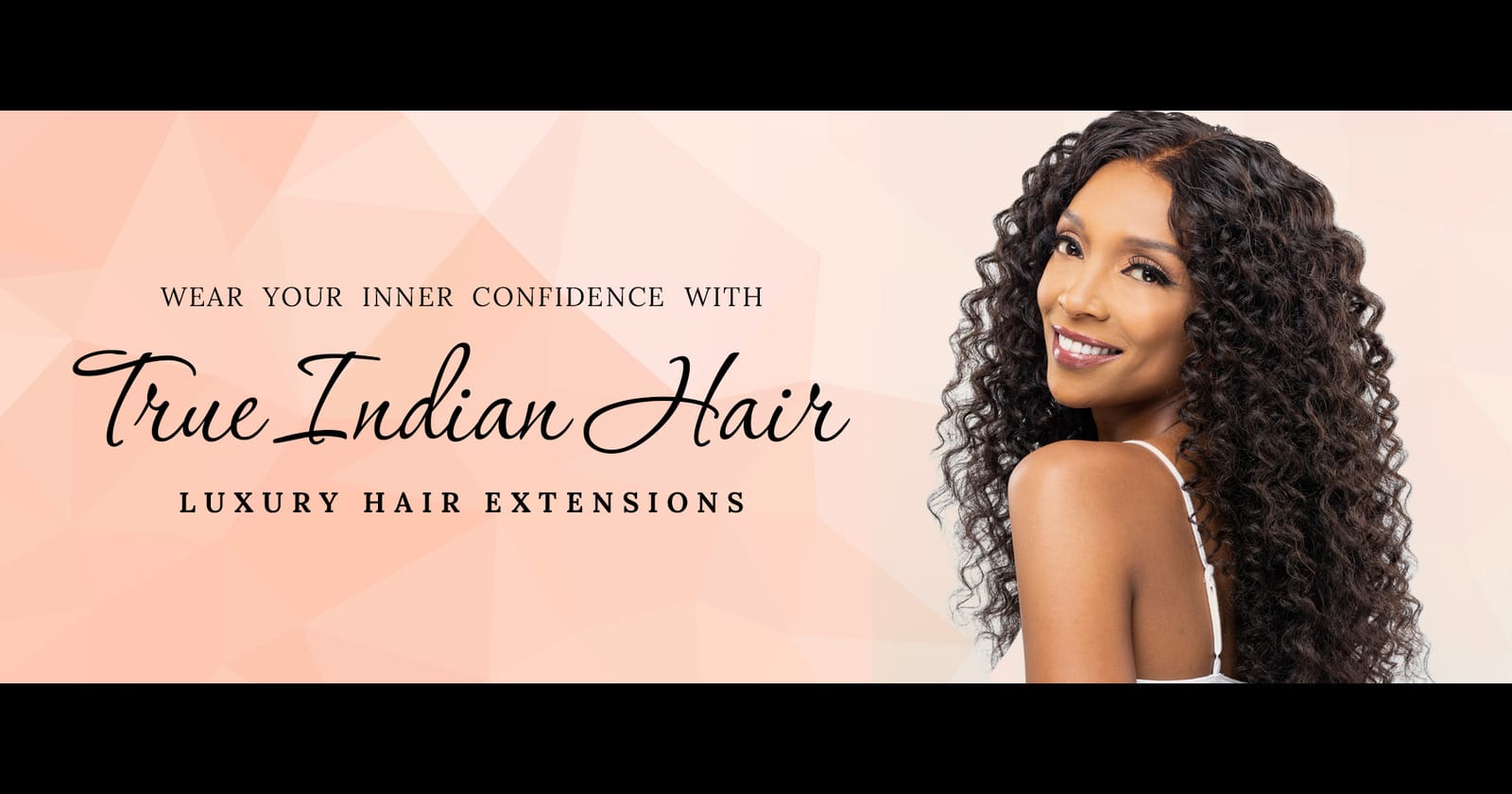
Achieving longer, fuller hair can be easier when you choose the right hair extensions for your natural texture, styling preferences and lifestyle. Whether you want to add volume to fine hair, create a longer hairstyle or experiment with a different look, selecting suitable extensions can help you achieve a natural-looking result. Understanding hair quality, extension types, texture and maintenance requirements is essential before making a purchase.
Indian human hair extensions are a popular option for people seeking natural movement, versatile styling and a realistic finish. Available in different lengths, textures and application methods, these extensions can complement various hairstyles and personal preferences. By comparing the available options and understanding what makes quality hair extensions suitable for your needs, you can make a more informed buying decision.
Understand the Different Types of Hair Extensions
Before purchasing extensions, consider the application method that best suits your lifestyle. Different types offer varying levels of convenience, styling flexibility and maintenance.
Clip-in hair extensions are suitable for temporary transformations because they can be attached and removed without permanent installation. They are particularly useful for special occasions, events or adding volume to everyday hairstyles.
Tape-in hair extensions use adhesive strips to secure hair sections close to the roots. They provide a relatively flat finish and are generally installed by a professional. Proper application and maintenance are important for protecting natural hair.
Sew-in hair extensions are commonly attached to braided natural hair. They can provide additional fullness and length, although the suitability of this method depends on hair strength, scalp comfort and installation technique.
Keratin bond extensions use small bonds to attach individual strands to natural hair. They offer styling flexibility but require professional application and careful removal.
Understanding these methods helps you select extensions that match your desired appearance, budget and maintenance routine.
Choose the Right Hair Quality
Hair quality directly affects the appearance, softness, durability and styling performance of extensions. Human hair extensions generally offer natural movement and can often be styled using suitable heat tools, unlike many synthetic alternatives. However, quality varies between products, so it is important to review the specifications carefully.
Virgin hair typically refers to hair that has not undergone chemical processing, although product definitions can vary by supplier. Remy hair is generally collected and arranged with the cuticles aligned in the same direction, helping reduce tangling when properly maintained.
When comparing products, look for consistent strand quality, minimal shedding, a natural finish and clear information about processing. Check whether the hair has been coloured, chemically treated or coated with products that temporarily create extra shine. These details can help you understand what to expect after repeated washing and styling.
Select the Best Length and Volume
Choosing the right length and density is essential for creating a balanced hairstyle. Extensions that are too long or noticeably thicker than your natural hair may look less realistic, especially around the sides and ends.
For a subtle change, choose a length that adds fullness without creating a dramatic difference from your existing hair. Longer extensions can create a striking appearance, but they may require additional brushing, detangling and styling time.
Hair density also influences the final result. Lightweight extensions can add natural-looking volume to fine hair, while thicker sets may be better suited to people seeking a fuller hairstyle. Consider how much hair you need to cover your natural ends and blend the extensions seamlessly.
Review product photographs, available weights and length measurements before ordering. If possible, compare the extension length with your current hair to estimate the final appearance.
Match the Texture and Colour to Your Natural Hair
A seamless blend depends on choosing a texture and shade that complement your existing hair. Straight extensions generally work well with naturally straight hair, while wavy or curly options can create a more consistent finish for textured hairstyles.
If your natural hair has several tones, consider extensions that closely match the mid-lengths and ends rather than focusing exclusively on the roots. Natural hair can appear lighter or darker under different lighting conditions, so review colour images carefully before making a selection.
For a more realistic result, choose a texture that requires minimal daily heat styling. Excessive heat can cause dryness and damage, reducing the lifespan of human hair extensions. Matching the texture from the beginning can simplify styling and help preserve hair quality.
Consider Your Lifestyle and Budget
The best extension type depends on how frequently you plan to wear it. Clip-in extensions are convenient for occasional use, while professionally installed methods may suit people who prefer a more consistent hairstyle.
Compare the initial purchase price with installation costs, maintenance products and replacement needs. More expensive extensions are not automatically better, so consider hair quality, construction, supplier transparency and care requirements together.
Read customer reviews and check the seller's return policy, product descriptions and support options. These steps can help you avoid unsuitable purchases and choose extensions that meet your expectations.
Follow a Proper Hair Care Routine
Regular maintenance helps keep extensions soft, manageable and presentable. Brush gently from the ends towards the roots, using a suitable brush to minimise tangling. Wash the hair when necessary with a gentle shampoo and follow with an appropriate conditioner.
Avoid excessive heat and use a heat protectant whenever styling tools are required. Allow extensions to dry thoroughly before storing them and keep removable sets in a clean, dry place. For professionally installed extensions, follow your stylist's recommendations for washing, maintenance appointments and removal.
Avoid sleeping with clip-in extensions attached and never pull or force tangled strands apart. Gentle handling helps reduce shedding and unnecessary damage.
Conclusion
Choosing the right hair extensions involves evaluating hair quality, length, volume, colour, texture and application method. When these factors align with your natural hair and lifestyle, extensions can create a fuller appearance while maintaining a realistic finish.
Explore the Indian hair collections at True Indian Hair to compare available textures, lengths and styles. By reviewing product details and following a consistent care routine, you can select extensions that suit your styling goals and enjoy a natural-looking hairstyle with greater confidence.