Alcoholic drinks occupy a visible place in Cambodia’s consumer landscape, with beer, spirits and other beverage categories serving different preferences and occasions. The sector is influenced by purchasing patterns, hospitality activity, product availability and the country’s regulatory environment. According to Vyansa Intelligence, Cambodia’s alcoholic drinks sector was valued at USD 4.54 billion in 2025 and is projected to reach USD 6.85 billion by 2032, representing a CAGR of 6.05% during 2026–2032.
Beer and Its Place in Beverage Consumption
Beer is the leading category in Cambodia’s alcoholic drinks landscape. According to Vyansa Intelligence, it accounted for approximately 90% of the sector by value in 2025, reflecting its established position among the available beverage categories. Both locally produced and imported brands contribute to consumer choice, with affordability, brand familiarity, availability and product preferences influencing purchasing decisions.
The category includes mainstream lagers as well as products positioned around different flavour profiles, brewing styles and price points. Domestic brands are relevant to the accessible end of the category, while international labels add further variety. The report also identifies continued interest in craft and premium beer, supported by specialist products and changing preferences in urban settings.
Beer consumption is also connected to social occasions, hospitality and retail availability. These factors help explain its position across different sales channels. However, commercial demand should be considered separately from the health implications of alcohol consumption, particularly when discussing responsible product communication and public awareness.
Spirits, Wine and Other Beverage Categories
Beyond beer, Cambodia’s alcoholic drinks sector includes spirits, wine, cider and perry, and ready-to-drink beverages. These categories provide different product formats, alcohol strengths and flavour profiles. Spirits include a range of locally available and imported products, while wine and ready-to-drink beverages offer alternatives for consumers seeking different styles and occasions.
The report segments products by alcohol content into high-, medium- and low-alcohol categories, and by flavour into flavoured and unflavoured products. Packaging formats also vary, including glass bottles, tins, plastic bottles and other types. These distinctions are relevant to product positioning, retail presentation and consumer selection.
Low- and non-alcoholic beverages represent an area of product development identified in the report. These alternatives respond to interest in moderation while retaining some of the familiar characteristics of established beverage categories. Their development also gives producers opportunities to diversify product ranges and address consumers seeking options with reduced or no alcohol content.
Retail Distribution and Hospitality Channels
Alcoholic drinks reach consumers through both off-trade and on-trade channels. Off-trade includes retail purchases for consumption elsewhere, while on-trade covers venues such as restaurants, bars and hotels where beverages are served for consumption on the premises. According to Vyansa Intelligence, off-trade accounted for approximately 65% of sales in Cambodia, making retail distribution an important part of the sector.
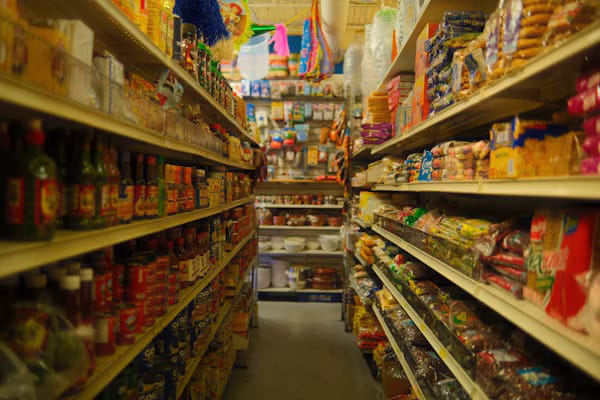
Small local stores are significant within the off-trade channel because of their accessibility and presence across communities. Supermarkets and modern grocery outlets provide additional purchasing options and can offer a wider selection of products. Online retail is also included in the report’s distribution segmentation, reflecting the range of ways alcoholic beverages can be made available to consumers.
On-trade sales remain relevant in urban centres and tourism destinations, including Phnom Penh, Siem Reap and Sihanoukville. Restaurants, bars, hotels and nightlife venues provide settings where local and imported products can be served. These channels also offer opportunities for consumers to encounter premium products and different beverage categories.
Product Innovation and Changing Consumer Preferences
Premiumisation and craft beer are identified as notable developments in Cambodia’s alcoholic drinks sector. Some consumers are showing interest in distinctive flavours, specialised brewing styles and products positioned around quality and variety. Microbreweries and specialist bars contribute to this segment by providing access to products that differ from mainstream offerings.
This development exists alongside continued demand for more accessible beverage options. Mainstream beer remains important, while premium products and craft varieties serve more specialised preferences. Producers therefore operate across different product positions, with factors such as flavour, packaging, brand identity and availability influencing how beverages are presented to consumers.
Low- and non-alcoholic products add another dimension to product innovation. Their development reflects interest in reduced-alcohol alternatives and a wider range of consumption choices. Product diversification across alcohol content, flavour and packaging is therefore relevant to the sector’s changing product mix.
Regulation, Product Information and Consumer Protection
The production, importation, distribution and sale of alcoholic beverages take place within a regulatory environment that affects businesses and consumers. Relevant considerations include product standards, labelling, taxation, licensing and controls on sales and promotion. The specific requirements applicable to individual products and businesses need to be understood in the context of Cambodia’s current laws and regulatory guidance.
Product information is particularly important because alcoholic beverages differ in alcohol by volume (ABV). Clear and accurate labelling helps adult consumers understand product strength and compare different beverage types. Consistent information can also support public education about alcohol content and the risks associated with excessive consumption.
Public health information provides a wider context for considering consumer protection. The World Health Organization’s Cambodia country health data includes national indicators relating to alcohol consumption. Such information helps place the commercial availability of alcoholic drinks within broader discussions about population health and alcohol-related risks.
Public Health and Responsible Consumption
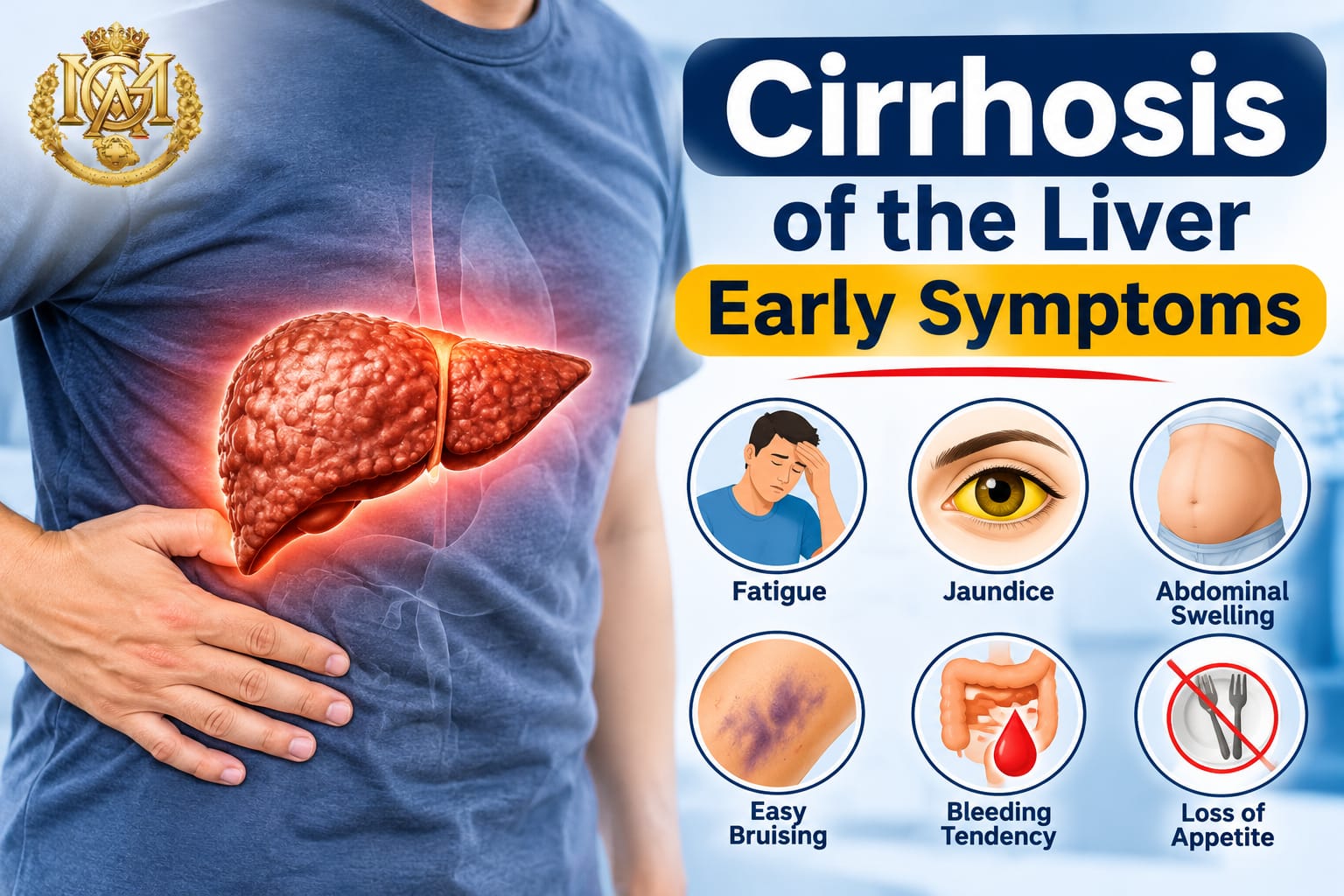
Alcohol consumption can be associated with health and social risks, particularly when drinking is excessive or involves heavy episodic consumption. Potential consequences include injuries, road traffic incidents and longer-term health conditions. These concerns make public awareness, responsible retailing and appropriate policy measures important parts of the wider discussion about alcoholic beverages.
Cambodia’s national health research provides further context on drinking patterns. The 2023 Cambodia STEPS survey report includes information on adult alcohol consumption, heavy episodic drinking and unrecorded alcohol. These indicators are relevant to understanding alcohol-related risk beyond the commercial performance of individual product categories.
Public health approaches can include education, drink-driving prevention, age restrictions, responsible service and access to support for people experiencing alcohol-related problems. Clear product information and compliance with applicable requirements are also important. Cooperation among public institutions, healthcare services, communities and businesses can contribute to a more informed approach to alcohol-related harm.
Industry Structure and Competition
Cambodia’s alcoholic drinks sector includes both domestic and international companies. Vyansa Intelligence identifies Diageo Plc, Pernod Ricard Groupe, Heineken NV, Khmer Beverages Co Ltd and Ganzberg Brewery Co among the major companies operating in the country. The report indicates that the five leading companies collectively account for approximately 80% of the sector, highlighting the importance of established participants.
Competition takes place across different beverage categories and distribution channels. Brand recognition, product range, pricing and access to retail and hospitality outlets are relevant dimensions of the competitive environment. Domestic and international businesses participate in a sector where mainstream products coexist with premium, craft and alternative beverage offerings.
Looking Ahead
Cambodia’s alcoholic drinks landscape is shaped by the leading position of beer, the presence of spirits and other beverage categories, and the importance of off-trade distribution. Product diversification, premium and craft offerings, and low- and non-alcoholic alternatives add further dimensions to the sector.
Understanding its development requires attention to both commercial activity and public health considerations. Product information, responsible retailing, regulatory compliance and consumer awareness remain important alongside changes in beverage preferences and distribution. These factors will continue to influence how the sector operates and how alcoholic drinks are made available to adult consumers.