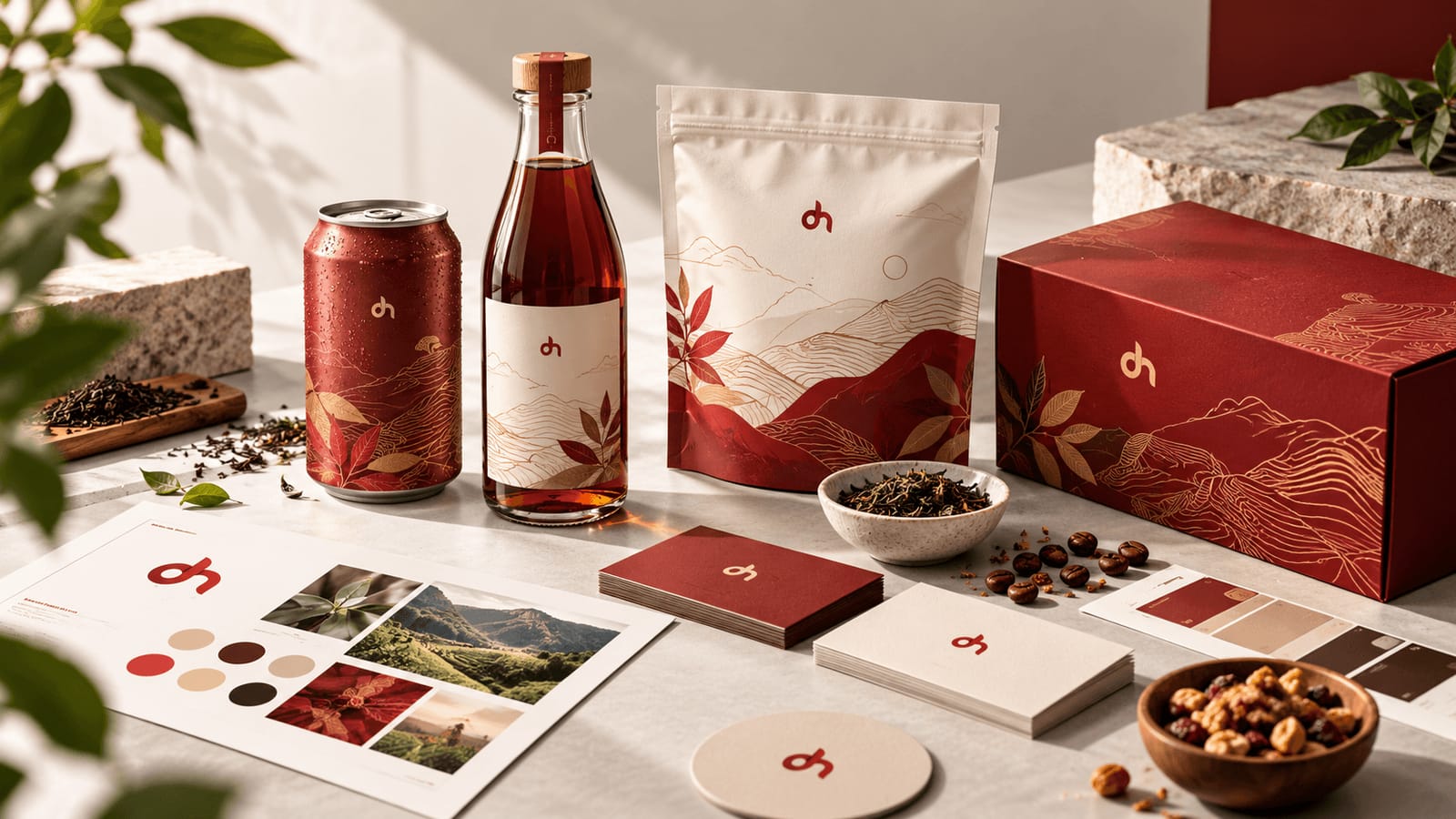
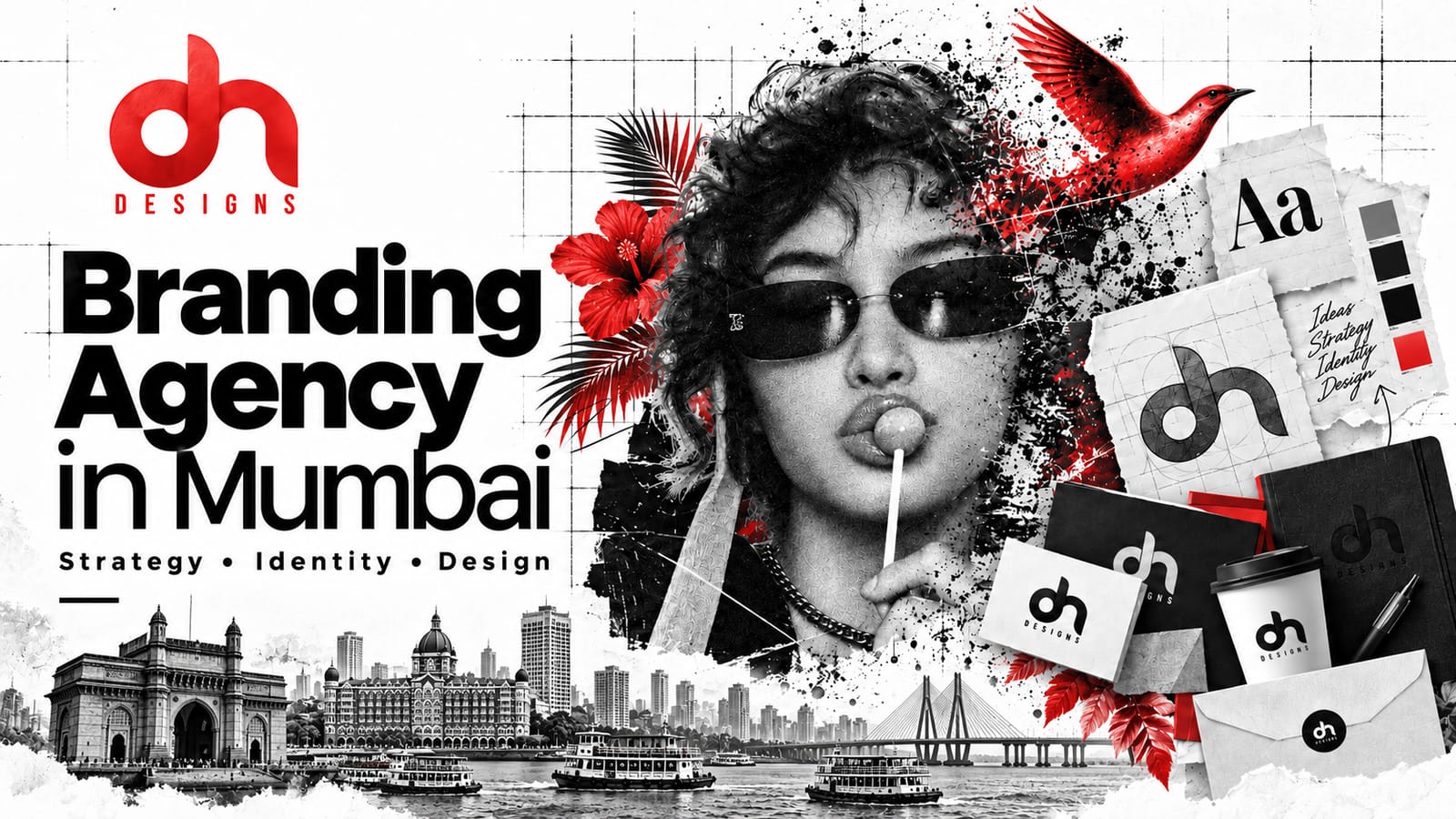
A branding agency in mumbai can help growing D2C businesses connect product positioning, visual identity, packaging design and customer experience into one recognizable brand system.
For direct-to-consumer businesses, creating an attractive product is only one part of building a successful brand. Customers interact with brands through social media, e-commerce websites, online advertisements and physical packaging. When these touchpoints communicate different messages or visual styles, establishing lasting brand recognition becomes more difficult.
A consistent branding strategy helps businesses communicate their identity clearly and create a recognizable presence across customer interactions.
How a Branding Agency in Mumbai Supports D2C Businesses
D2C businesses often operate in competitive markets where several brands offer similar products, benefits and pricing.
A professional branding approach helps businesses identify what makes their products distinctive and how those differences should be communicated to customers.
Brand development may include:
Brand positioning and market differentiation
Logo and visual identity development
Packaging design and product presentation
Brand messaging and communication guidelines
Digital branding across multiple platforms
Consistent identity across future product launches
Rather than treating these activities as separate design projects, businesses benefit from developing a connected brand identity that supports long-term recognition.
1. Begin With Clear Product Positioning
Before selecting colours, typography, packaging graphics or advertising visuals, businesses should understand their target audience and market positioning.
For example, a premium food brand may want to communicate ingredient quality, craftsmanship and exclusivity. An everyday consumer product may instead emphasize affordability, convenience and reliability.
These differences influence the design direction and messaging.
Clear positioning helps businesses make consistent creative decisions while building a meaningful identity around their products.
2. Connect Packaging With Digital Branding
Modern consumers frequently discover products through Instagram advertisements, e-commerce listings, quick-commerce platforms and brand websites before experiencing the physical packaging.
If the packaging communicates a premium identity but the website and social media use unrelated colours, typography or messaging, the brand may appear inconsistent.
Professional branding services can help businesses establish consistent typography, colour palettes, brand messaging and visual elements across packaging, websites, social media and other customer touchpoints.
A coordinated branding system should maintain recognizable elements across:
Product packaging and labels
E-commerce product listings
Social media graphics and advertisements
Website design and promotional banners
Marketing materials and customer communications
Consistent visual elements make it easier for customers to associate different experiences with the same brand.
3. Make Product Recognition Easier
Packaging plays an important role in how customers identify and compare consumer products.
An effective packaging design should establish a clear visual hierarchy, allowing customers to recognize the brand name, product category, variant and important product information.
For example, a beverage company introducing several flavours can use a consistent logo, typography and packaging structure while differentiating each variant through colour or imagery.
This approach creates individual product identities without disconnecting them from the overall brand.
Businesses evaluating a branding company in Mumbai should consider whether its creative process balances aesthetic appeal with practical product recognition.
4. Build Consistency Across Customer Touchpoints
A customer may first encounter a product through an advertisement, visit the company's website, compare products on a marketplace and eventually receive the product at home.
Each interaction contributes to the customer's overall impression.
When design elements, brand voice and product messaging remain consistent, these interactions reinforce the same identity.
Businesses can support consistency by establishing brand guidelines covering typography, colour palettes, logo usage, imagery and communication styles.
These guidelines also help internal teams, marketing agencies and external partners maintain a coordinated brand presence.
5. Plan for Future Product Expansion
D2C businesses frequently introduce new flavours, product categories, packaging formats or collections as they grow.
Without a flexible identity system, every new product launch may require an entirely different creative approach.
A scalable branding strategy allows businesses to maintain recognizable brand elements while adapting to new offerings.
For example, a skincare brand launching additional products can preserve its core typography, visual style and packaging hierarchy while introducing category-specific graphics or colours.
This supports continuity and makes new products feel like part of an established family.
6. Measure Branding Beyond Visual Appearance
Brand development should not be evaluated only by how attractive a logo or packaging design looks.
Businesses can also examine how branding influences customer understanding and recognition.
Useful indicators include:
Customer recognition of packaging and logos
Consistency across marketing channels
Clarity of product information
Customer feedback about brand positioning
Recognition of newly introduced product variants
These observations can help businesses identify areas where their brand communication requires improvement.
Although branding alone cannot guarantee sales growth, a coherent identity provides a stronger foundation for marketing and customer engagement.
Conclusion: Building a Recognizable D2C Brand
Successful D2C branding requires more than appealing graphics or packaging.
Product positioning, visual identity, digital communication and customer experience should reinforce the same brand personality.
By developing a consistent and adaptable branding system, businesses can improve product recognition, communicate more clearly and support future expansion.
Businesses planning a new consumer brand or considering an identity refresh can contact DN Designs to discuss their branding and design requirements.