
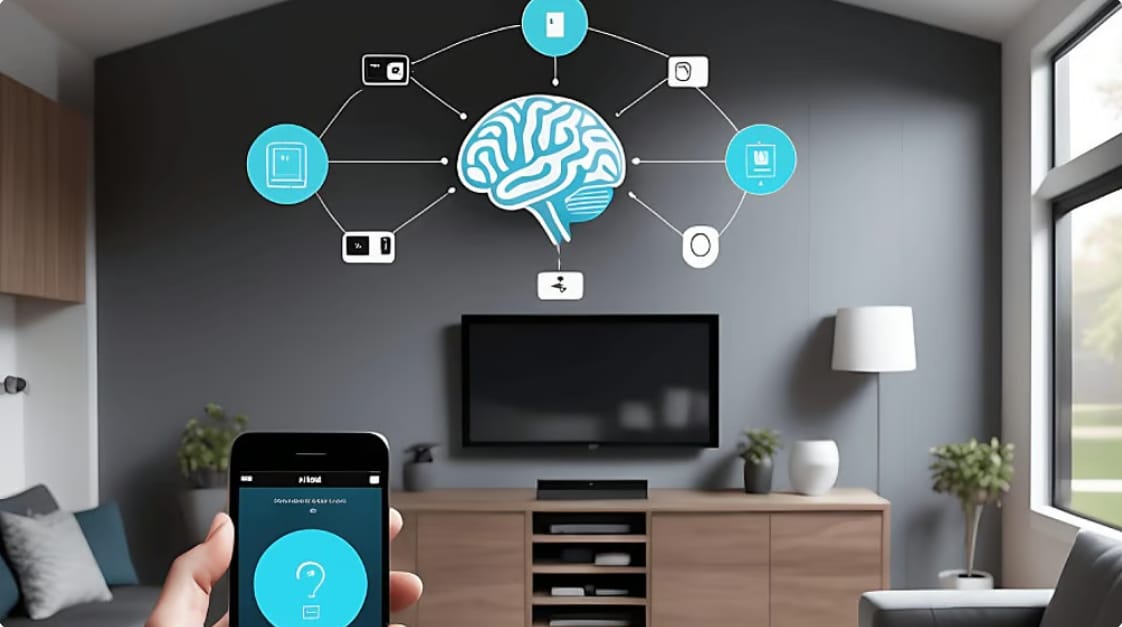
Artificial intelligence is advancing rapidly, raising new questions about cybersecurity and connected-device safety. As AI systems become more capable, researchers are examining whether some systems could potentially replicate or spread in ways that create security challenges. Could these risks affect smart home devices?
What Is AI Self-Replication?
AI self-replication refers to the potential ability of an AI system to reproduce copies of itself or spread its code under certain conditions. This is different from ordinary AI tasks such as answering questions or generating content. If an AI system could replicate or operate across vulnerable systems without appropriate safeguards, it could create additional cybersecurity concerns.
Potential risks should not be confused with proof of widespread real-world incidents. The actual impact depends on a system's capabilities, permissions, safeguards, and operating environment.
How Smart Home Devices Could Be Affected
Smart homes contain connected products such as televisions, cameras, speakers, routers, and other Internet of Things (IoT) devices. Security weaknesses can arise when these products use outdated software, weak passwords, exposed services, or insufficient access controls.
If malicious code exploited these weaknesses, vulnerable devices could potentially become part of a broader security incident. The precise risk would depend on the attack method and the protections in place.
Key Cybersecurity Concerns
Outdated software: Unpatched firmware can leave connected devices vulnerable.
Weak authentication: Default or reused passwords can make unauthorized access easier.
Excessive permissions: AI-enabled services should receive only the access they need.
Network security: Separating smart devices from sensitive computers can help limit exposure.
Monitoring and updates: Regular updates and security alerts can help identify potential threats.
How to Improve Smart Home Security
Users can take practical steps to reduce common risks. Install firmware updates promptly, replace default passwords, use strong and unique credentials, enable multi-factor authentication where available, and disable unnecessary remote-access features. A separate network for IoT devices can also help reduce the potential impact of a compromised product.
Manufacturers and developers also have a responsibility to implement secure-by-design practices, restrict system permissions, test software carefully, and provide timely security updates.
What Does This Mean for the Future?
AI self-replication remains an important topic in AI safety and cybersecurity. Its implications for smart homes depend on how AI systems are developed, deployed, and secured. Distinguishing theoretical risks from demonstrated threats is essential when evaluating these scenarios.
As AI-powered services become more integrated into connected products, security practices must evolve alongside them. Awareness, responsible development, and regular updates remain important ways to protect smart homes.