Varicose Veins: Warning Signs, Symptoms and Available Treatment Options
Introduction
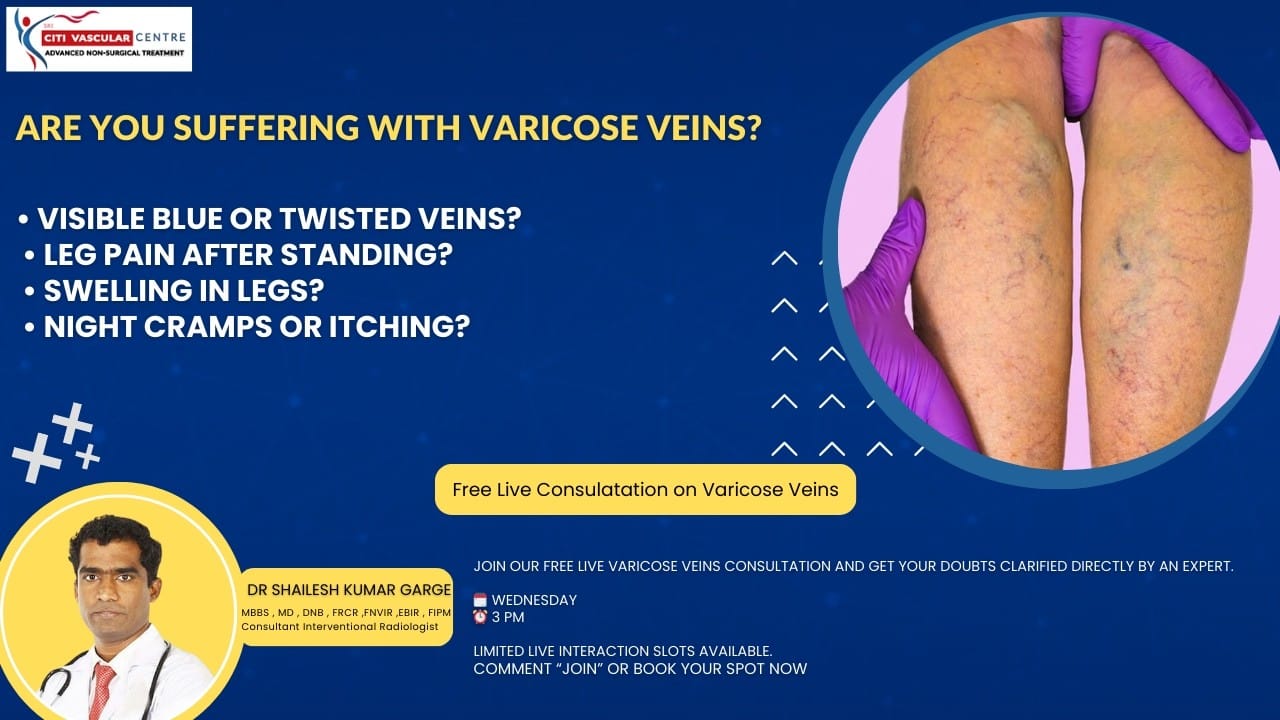
Varicose veins are enlarged, twisted veins that commonly appear in the legs. They develop when the valves inside the veins do not function properly, allowing blood to collect in the veins. The condition may cause visible changes in the legs and symptoms such as aching, heaviness, swelling and itching.
Recognising the common signs of varicose veins can help people understand when medical evaluation may be necessary. Although some people experience only visible veins, others may have discomfort that affects their daily activities.
1. Visible Blue or Twisted Veins
One of the most noticeable signs of varicose veins is the appearance of enlarged, blue or purple veins beneath the skin. These veins may look twisted, raised or bulging, particularly around the calves and thighs.
Visible veins do not always indicate a serious problem. However, when they are accompanied by pain, swelling, skin changes or other symptoms, medical assessment may be appropriate.
2. Leg Pain After Standing for Long Periods
Some people with varicose veins experience aching, discomfort or a feeling of heaviness in their legs after standing or sitting for extended periods. These symptoms may become more noticeable towards the end of the day and may improve with rest or raising the legs.
Taking regular movement breaks and avoiding prolonged periods in the same position may help with symptom management. Persistent or worsening leg pain should be discussed with a qualified healthcare professional.
3. Swelling in the Legs and Ankles
Swelling around the ankles or lower legs can occur when blood circulation through the veins is affected. The swelling may become more noticeable after spending many hours standing or sitting.
Leg swelling can also have other causes, so it should not automatically be attributed to varicose veins. Persistent swelling, particularly when it affects only one leg, deserves medical assessment.
4. Night-Time Leg Cramps and Itching
Some people with varicose veins report muscle cramps at night, itching around the affected veins or changes in the skin. The skin may become dry, irritated or discoloured in areas affected by chronic venous problems.
These symptoms can have several possible causes. A healthcare professional can help determine whether they are related to varicose veins or another condition.
What Causes Varicose Veins?
Varicose veins develop when the valves that help direct blood towards the heart become weak or damaged. This can allow blood to flow backwards and collect within the veins, increasing pressure and causing them to enlarge.
Factors associated with an increased likelihood of developing varicose veins include increasing age, family history, pregnancy, excess body weight and spending long periods standing or sitting.
How Are Varicose Veins Diagnosed?
A medical assessment may include a review of symptoms, medical history and physical examination. A duplex ultrasound scan may be recommended to evaluate blood flow, examine vein function and identify abnormalities in the venous circulation.
The appropriate investigations depend on the individual's symptoms and clinical findings.
What Treatment Options Are Available?
Treatment depends on the severity of symptoms, examination findings and ultrasound results. Not everyone with varicose veins requires a procedure.
General measures may include regular walking, maintaining a healthy weight, avoiding prolonged periods in one position and raising the legs when resting. Compression stockings may be suitable for some people, but professional advice is important before using them, particularly when arterial circulation may also be affected.
When intervention is appropriate, treatment options may include endovenous laser treatment (EVLT), radiofrequency ablation, ultrasound-guided foam sclerotherapy or surgery. Each option has specific indications, benefits and risks. A qualified healthcare professional can explain which approaches may be suitable for an individual.
When Should Medical Advice Be Sought?
Medical evaluation is advisable when varicose veins cause persistent pain, itching, swelling, skin changes or sores that do not heal.
Bleeding from a varicose vein requires urgent medical attention. Sudden swelling or pain in one leg, particularly with warmth or redness, also requires urgent assessment because it may indicate a blood clot. Sudden breathlessness or chest pain requires emergency medical care.
Conclusion
Visible blue or twisted veins, leg discomfort after standing, ankle swelling, night-time cramps and itching can occur in people with varicose veins. However, these symptoms alone cannot confirm a diagnosis. Understanding the possible warning signs and seeking appropriate medical assessment can help people make informed decisions about their vascular health.
Disclaimer: This article is for educational and informational purposes only. It is not a substitute for professional medical advice, diagnosis or treatment. Consult a qualified healthcare professional for an individual assessment.