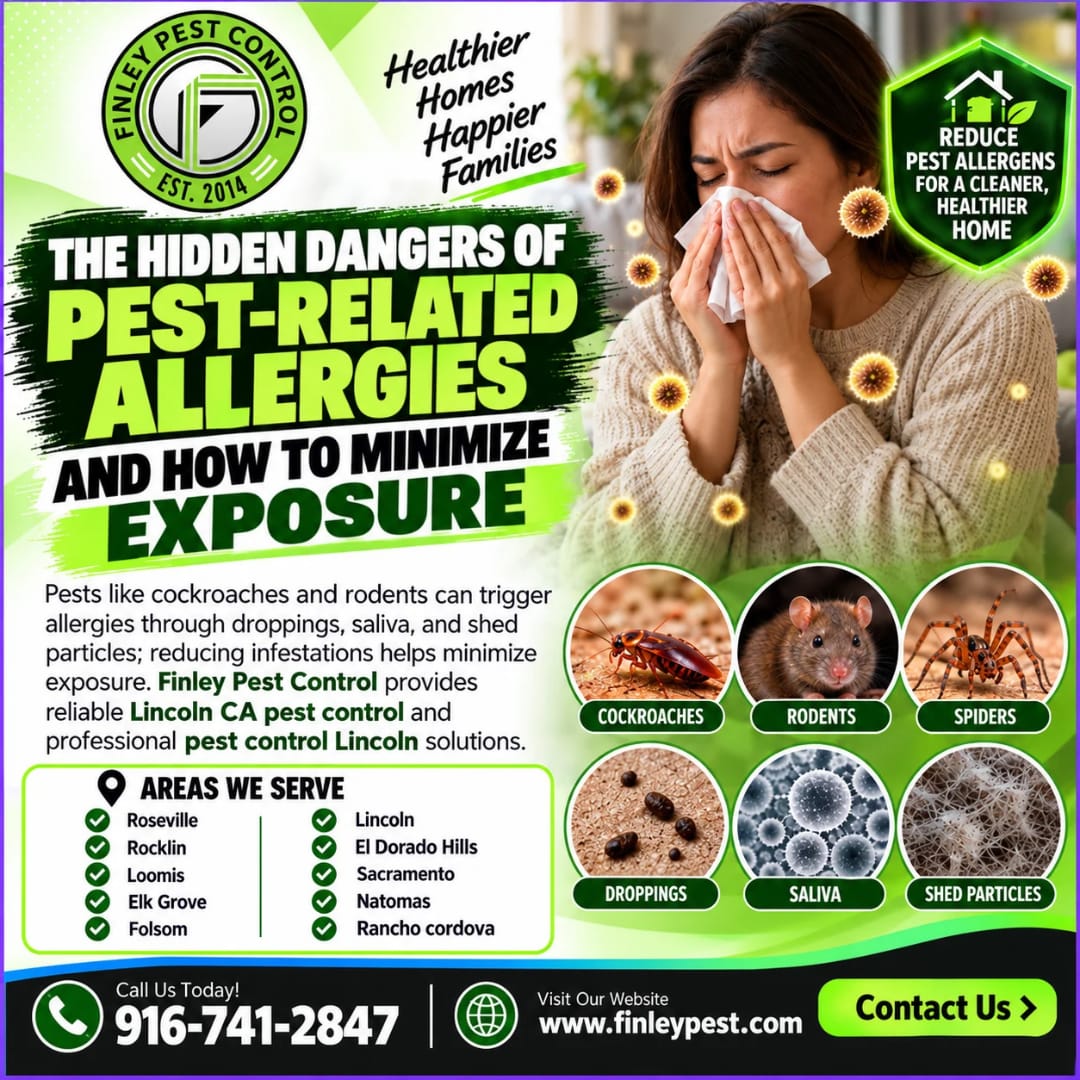
A pest problem can affect more than the cleanliness of your home. Cockroaches, rodents, and other household pests can leave behind allergens that trigger sneezing, itchy eyes, coughing, and breathing difficulties in sensitive individuals. For people with asthma or existing allergies, prolonged exposure to these allergens can make symptoms harder to manage.
The challenge is that you may not always see the pests responsible. Tiny particles from droppings, saliva, shed body parts, and other pest debris can collect in dust, carpets, bedding, and hidden corners.
Understanding these risks and taking preventive measures can help you maintain a healthier indoor environment. Regular cleaning, moisture control, professional pest inspection, and appropriate pest control measures can reduce exposure and help prevent recurring infestations.
1. How Do Household Pests Trigger Allergies?
Some household pests produce allergens that can become part of indoor dust. When disturbed, these particles may enter the air or settle on surfaces where people spend time.
According to the U.S. Environmental Protection Agency (EPA), cockroach and rodent allergens are among the indoor environmental triggers that can worsen asthma symptoms and cause allergic reactions in sensitive individuals.
Common sources include:
Cockroaches: Their saliva, droppings, and body parts can contain allergens.
Rodents: Proteins in rodent urine, saliva, and dander can trigger allergic reactions.
Dust mites: Although they are not insects, these microscopic organisms can produce allergens that collect in bedding and upholstered furniture.
Other household pests: Certain insects and their debris may contribute to indoor allergen exposure.
The American Lung Association explains that cockroach allergens can settle into dust and fabrics, including pillows and bedding. This means pest-related allergens may remain in a home even when the insects themselves are no longer visible.
2. Recognize the Warning Signs of Pest-Related Allergies
Allergy symptoms can have several causes, so it is important not to assume that pests are responsible without proper evaluation.
Possible symptoms include:
Frequent sneezing or a runny nose.
Itchy, watery, or irritated eyes.
Persistent coughing, especially indoors.
Nasal congestion or throat irritation.
Wheezing, chest tightness, or breathing difficulties.
Worsening asthma symptoms in people who are sensitive to pest allergens.
If symptoms repeatedly occur in particular rooms or appear to worsen at home, consider whether indoor allergens could be contributing. A healthcare professional can help identify potential triggers and recommend appropriate testing or treatment.
Important: Severe breathing difficulties require immediate medical attention. Pest treatment alone is not a substitute for medical care.
3. Keep Cockroaches and Rodents Under Control
Cockroaches and rodents are particularly important to address because their allergens can affect indoor air quality and aggravate asthma in sensitive people.
The EPA recommends integrated pest management (IPM), an approach that combines prevention, monitoring, sanitation, exclusion, and carefully selected treatments.
To reduce pest activity:
Clean food crumbs and spills promptly.
Store food in airtight containers.
Keep garbage in covered bins and remove it regularly.
Fix leaking pipes and eliminate unnecessary moisture.
Seal gaps around plumbing, cabinets, doors, and walls.
Reduce clutter that provides hiding places.
Monitor areas where droppings, gnaw marks, or insect activity appear.
If an infestation persists, professional roach control or rodent control may be necessary. Targeting the source of the infestation is generally more effective than repeatedly treating visible pests without addressing the conditions that attract them.
Avoid relying on excessive pesticide spraying or foggers, which can introduce additional indoor irritants and may worsen asthma symptoms.
4. Reduce Allergens Through Regular Cleaning
Routine cleaning helps remove dust, pest debris, and other potential allergens from indoor surfaces. However, cleaning should be done carefully to avoid spreading contaminated material.
Follow these practical steps:
Vacuum regularly. Use a vacuum with a HEPA filter where appropriate to help capture fine particles.
Damp-dust surfaces. Use a damp cloth rather than dry dusting, which can stir particles into the air.
Wash bedding regularly. Clean sheets, pillowcases, and other washable fabrics according to their care instructions.
Clean food preparation areas. Wipe counters, sweep floors, and remove crumbs.
Reduce clutter. Keep storage areas organized and avoid unnecessary piles of cardboard or paper.
Wear appropriate protection. When cleaning areas contaminated by rodent droppings or urine, follow public health guidance rather than sweeping or vacuuming the material directly.
The CDC recommends specific precautions for cleaning rodent waste because disturbing contaminated material can expose people to harmful particles. For substantial contamination, professional cleanup may be appropriate.
5. Address Other Household Pests Before Problems Spread
Different pests require different prevention and treatment strategies. Identifying the pest correctly helps determine the most suitable response.
Ants: Store food securely, clean spills, and seal entry points. Ant control can help address persistent trails and colonies.
Spiders: Reduce clutter and address the insects they feed on. Spider control may be appropriate when activity becomes persistent.
Bed bugs: Inspect sleeping areas and luggage after travel. Professional bed bug control can help manage an established infestation.
Fleas: Treat the infestation appropriately and coordinate with a veterinarian when pets are involved. Flea control may require attention to both animals and the surrounding environment.
Moths: Store susceptible fabrics and pantry products properly. Moth control depends on identifying the type of moth and its source.
Mosquitoes: Eliminate standing water and repair damaged screens. Mosquito control can help reduce breeding opportunities and indoor entry.
Voles and moles: Monitor outdoor activity and protect vulnerable landscaping. Vole and mole control should be based on identifying the animal and the damage it causes.
These services address different pest problems. Not every pest causes the same allergy risk, so treatment should be based on accurate identification rather than assumptions.
6. Schedule a Professional Pest Inspection
Some infestations remain hidden inside wall voids, crawl spaces, attics, cabinets, and other hard-to-reach locations. A professional pest inspection can help identify pest activity, entry points, and conditions that may contribute to recurring problems.
An inspection may help determine:
Which pests are present.
Where they are entering or nesting.
Whether food, water, or shelter is attracting them.
Which preventive measures may reduce future activity.
Whether targeted treatment or follow-up monitoring is appropriate.
When comparing affordable pest control services, consider the inspection process, proposed treatment, prevention recommendations, and follow-up options not just the initial price.
The goal is to address the infestation while reducing unnecessary pesticide exposure. If someone in your household has asthma or known chemical sensitivities, inform the pest control professional beforehand so appropriate precautions can be discussed.
7. Build a Long-Term Pest Prevention Routine
Preventing pest-related allergies starts with making your home less attractive to pests and reducing the buildup of potential allergens.
Use this simple routine:
Daily: Clean food spills and store leftovers securely.
Weekly: Vacuum and damp-dust, clean bedding as appropriate, and remove household waste.
Monthly: Inspect plumbing, storage spaces, screens, and possible entry points.
Whenever pest activity appears: Identify the source and address it promptly.
After treatment: Follow professional instructions for cleaning, monitoring, and preventing reinfestation.
Consistent prevention, combined with targeted pest removal, can help reduce pest activity and the allergens associated with it.
Read More About:
Protect Your Home With Finley Pest Control
Pest-related allergies can make everyday life uncomfortable, especially when infestations go unnoticed. Finley Pest Control helps homeowners identify and address pest problems through appropriate inspection, treatment, and prevention services.
Whether you need roach control, rodent control, ant control, spider control, or help with another household pest, addressing the source of the problem is an important step toward maintaining a healthier home.
If you are looking for reliable pest control in Lincoln, Finley Pest Control also serves Roseville, Rocklin, Loomis, Lincoln, Elk Grove, Folsom, El Dorado Hills, Sacramento, Natomas, and Rancho Cordova,
Contact Finley Pest Control to discuss your pest concerns and determine the appropriate next steps for your property.
#PestControl #PestPrevention #IndoorAirQuality #AllergyAwareness #AsthmaAwareness #HomeHealth #FinleyPestControl