Picture an equipment manufacturer starting a new electronic control platform for its next machine generation. For about eight months, the program needs someone strong in model-based design, embedded C and hardware-in-the-loop testing. After the software is validated and released, demand for that exact profile drops sharply. The permanent team is already fully loaded, the open requisition has been posted for weeks, and the launch date is not moving.
Situations like this are routine in engineering organizations, and they are becoming more frequent as products pick up more software, connectivity and automation. The skills a program needs shift from one phase to the next, and they rarely match the headcount a company can justify permanently. Engineering staffing is one way teams close that gap. Used with a clear scope, it works alongside the permanent workforce rather than replacing it.
How AI and new tooling are changing the skill mix
Several technologies are landing in engineering departments at once. AI-assisted design and coding tools are entering daily workflows. Automation and robotics are reaching smaller plants. Machines carry more embedded software and more connectivity, and validating that software through simulation and hardware-in-the-loop testing is a discipline of its own.
The published evidence points to uneven readiness rather than a single story. ManpowerGroup’s 2026 engineering outlook, a report from a staffing firm, says nearly one in three employers believe their workforce lacks AI capability. A LeadDev survey of 591 engineering leaders found that 70% of teams had widely adopted AI developer tools, yet only 26% reported major productivity gains and just 31% measure them. That survey centers on software teams, but the pattern, where tools arrive ahead of skills and measurement habits, will sound familiar to anyone in embedded or controls work. Control Engineering’s 2026 Career and Salary Survey likewise describes a persistent skills gap.
On the labor-market side, the Bureau of Labor Statistics projects employment growth of 11% for industrial engineers, 7% for electrical and electronics engineers and 6% for aerospace engineers from 2024 to 2034. Those are broad occupational projections, not measures of shortage in any specific skill. They do suggest that competition for engineering talent is not going away.
None of this means AI replaces engineers. In practice it shifts effort toward people who can review, validate and integrate what the tools produce, and that takes experience.
Where traditional hiring strains under project-based demand
Permanent hiring remains the backbone of any engineering organization. Product knowledge, design history and ownership of a platform live in full-time staff, and no contract arrangement substitutes for that.
The friction appears with specialized, time-bound needs. Engineers who combine Simulink-based development with production embedded experience and an understanding of machine safety are scarce, and other employers are looking for them too. Engineering talent acquisition for niches like this can take months, and by the time someone starts, the project may be in a different phase. Workloads also move unevenly, since integration and validation often demand far more hands than the phases around them. A permanent hire is a long-term commitment set against demand that rises and falls, which makes budgeting harder.
What flexible engineering staffing can do, and where it stops
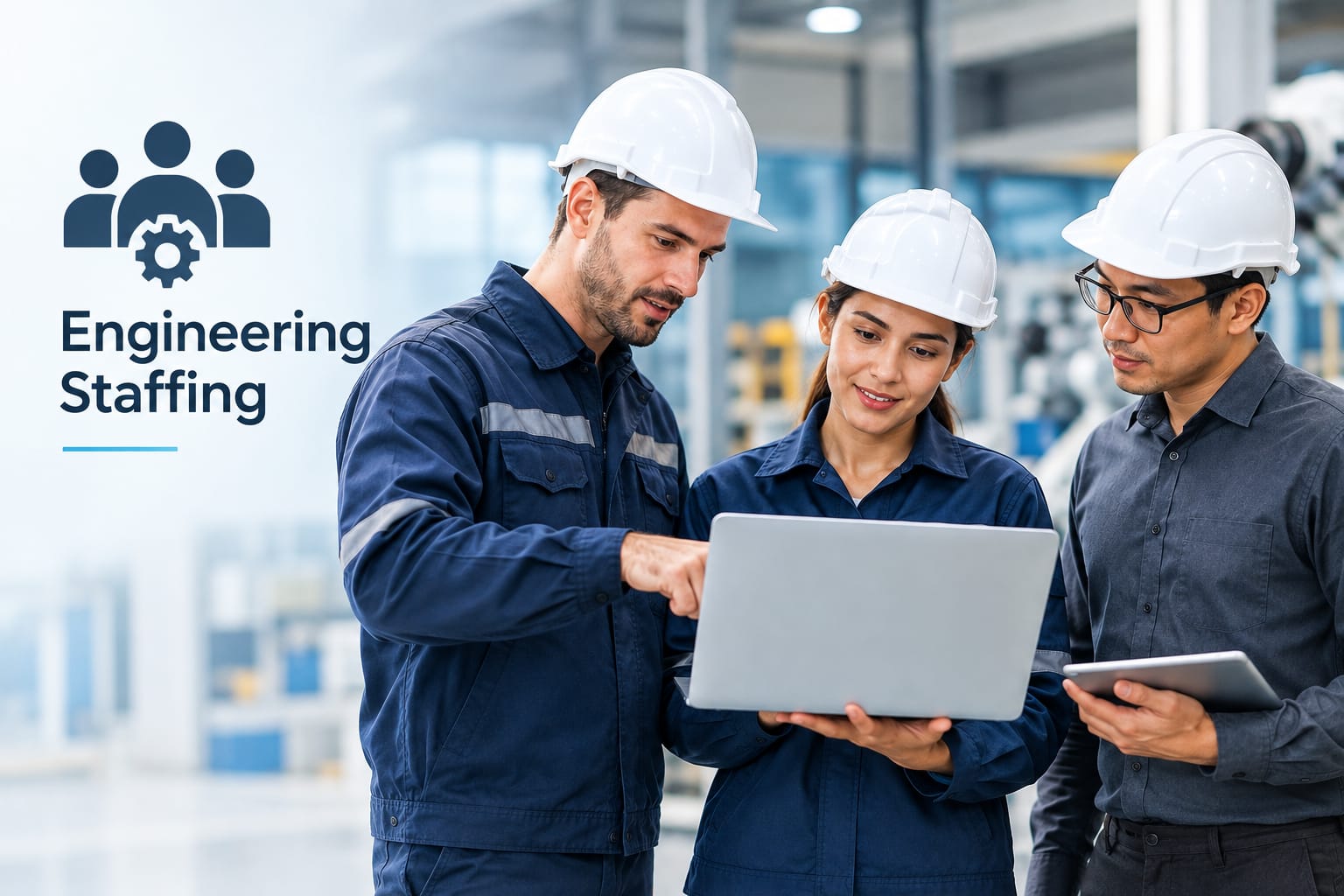
Engineering staffing services tend to work best when the need is specific. A few ways they help:
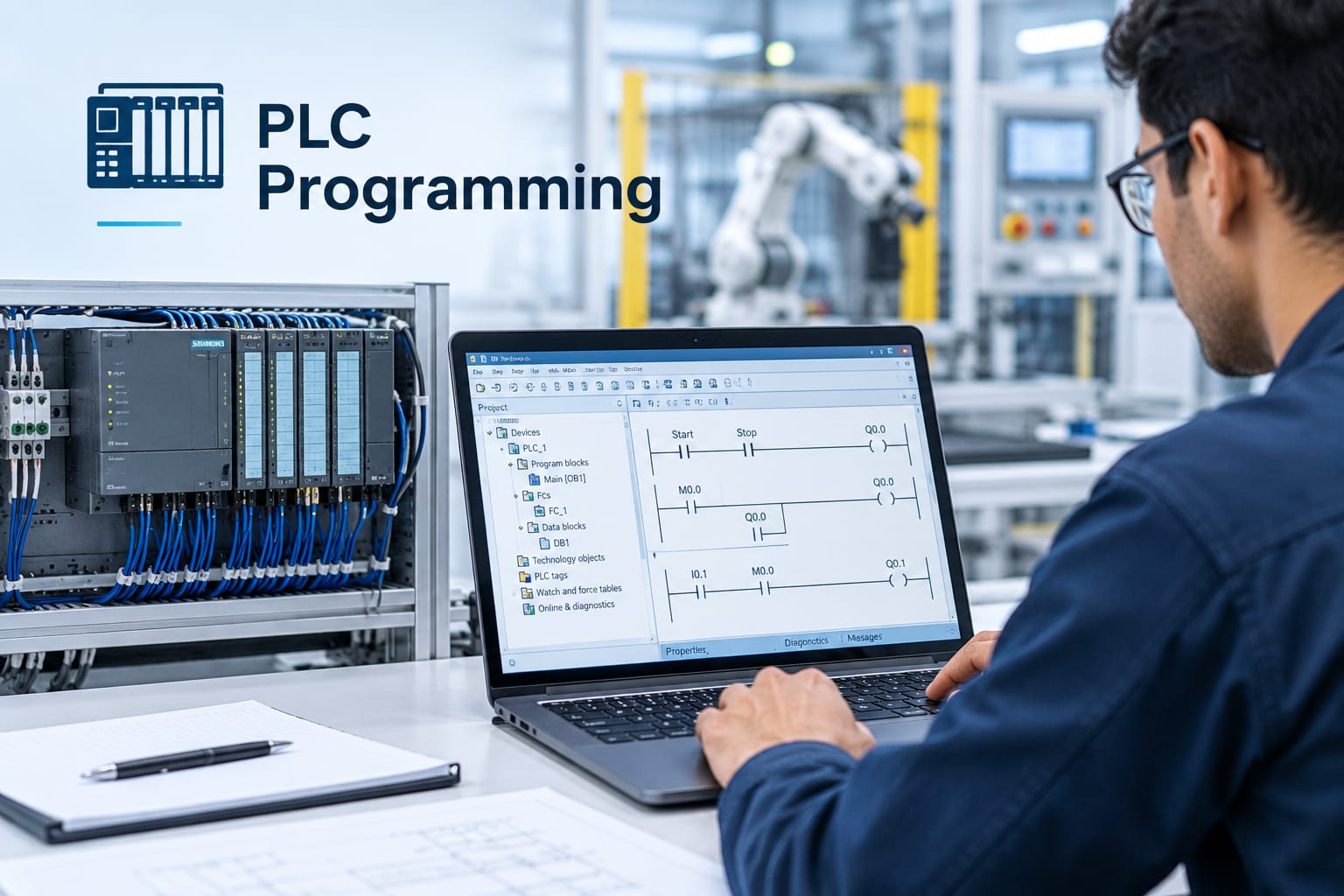
Specialized skills on demand. A company upgrading a production line may need PLC programming in CODESYS for a few months. Bringing in an engineer with that experience can be more practical than building the skill in-house for a single project.
Capacity during peaks. Test and validation cycles often compress near a release. Added engineers can run test cases and analyze results while the internal team stays focused on design decisions.
Alignment with project phases. Contract engineering staffing can follow the work, within the terms of the agreement, so a team can grow for integration and scale back afterward.
Relief for internal teams. When senior engineers spend their days on routine tasks, additional qualified people can spread the load.
Knowledge transfer. External engineers who work alongside employees, with documentation and handover agreed at the start, can leave the team better informed than before.
None of these outcomes is automatic. Results depend on how well the work is scoped, how quickly new people are onboarded and how they are managed. Flexible engineering staffing does not guarantee faster delivery or lower cost in every case, and it works poorly when requirements are vague.
How it plays out across technical industries
The same logic appears in different forms across sectors. In automotive and mobility, a team approaching a launch may need extra validation capacity for control software. In agriculture and off-road equipment, a manufacturer adding telematics or precision-farming features might need embedded engineers for one development cycle. Builders of construction and mining machinery often bring in controls engineers for operator-assist functions and simulation work. In industrial automation and robotics, a new cell build may call for PLC, vision and integration expertise through commissioning. Aerospace programs, where requirements and compliance rules allow it, can supplement internal teams for simulation and verification work.
These are general scenarios, not specific customer projects, but they share a feature: the need is real, bounded and technical.
Choosing the right engineering staffing model
The right arrangement depends on the work. Start with a few questions. How long will the requirement last? How specialized is the skill, and does it need to be on site? How closely will the person collaborate with your existing team? Who owns the deliverables? What are the onboarding, security and compliance requirements?
It also helps to separate two models that are often mixed up. Technical staffing services place engineers inside your team, directed by your managers, who remain accountable for the outcome. Project-based engineering services hand a defined scope to an outside team that takes responsibility for delivering it. The first suits situations where you know what you want and need hands and expertise. The second suits situations where you would rather buy a result. Neither is better in every case, and some programs use both.
Where engineering workforce planning is heading
Expect more work that crosses disciplines. Software, controls and mechanical teams already depend on each other, and engineers who can work across those boundaries are valuable. Skills will keep changing, so continuous learning matters for permanent staff and external engineers alike. Hiring managers may get better results from assessing what a person has actually built or validated than from relying on job titles. And experienced engineers will remain central, because someone has to judge whether an AI-generated design, a simulation result or a test report can be trusted. These are reasonable expectations rather than certainties, and the details will vary by industry.
Build the team around real project needs
Good workforce planning looks at two horizons: the capabilities an organization wants to own for the long term, and the skills a particular program needs for a few months. Permanent hiring suits the first. Engineering workforce solutions that include contract support can help with the second, particularly when a specialized skill or extra capacity is needed and the timeline is fixed.
Before the next project plan is finalized, it is worth mapping which skills are core, which are temporary and where the schedule is most exposed. Providers such as Servotech Inc., which offers technical staffing services alongside on-site and off-site engineering services for markets including off-highway, agriculture, automotive, aerospace and robotics, are one option for teams weighing those choices. The more useful starting point, though, is an honest list of what the project requires.