Dental Instruments in the US: What Actually Matters
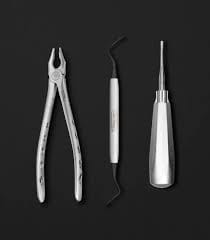
Walk into any dental practice and you will see the same thing: trays and cassettes full of small steel tools that get used, cleaned and used again, dozens of times a week. They look simple. They are not. A mirror with a loose head or a scaler that goes dull in a month costs you time with every single patient.
If you are shopping for dental instruments in the US, whether for a new clinic, a busy practice or dental school, this guide covers what matters, what doesn’t and how to avoid the usual mistakes.
Who Actually Buys Dental Instruments?
Not just dentists. Hygienists often buy their own scalers because they know exactly what feels right in the hand. Students need a starter kit that will not fall apart before graduation. Group practices reorder in bulk. Community clinics and mobile programs need sets that travel well.
Each of them cares about something different. Before you look at a single catalog, ask yourself what matters most to you: price, edge quality, comfort or consistency from one order to the next.
What Good Instruments Are Made Of
Most hand instruments are stainless steel. It resists rust and handles repeated cleaning and heat sterilization. But steel quality varies a lot. Better steel holds an edge longer and stays clean-looking for years. Cheap steel can stain, pit or go dull far too soon.
When you compare stainless steel dental instruments, you do not need a lab. A few simple checks tell you a lot:
Look at the finish. It should be smooth and even, with no rough spots where debris can hide.
Check the working end. Tips should be symmetrical and sharp where they need to be, with no burrs.
Open and close anything with a joint. Forceps, scissors and pliers should move smoothly, with no grinding or wobble.
Hold the handle. Weight and thickness matter more than people expect. A lighter, wider handle is easier on the hand over a long day.
Ask the supplier what type of steel they use. If they cannot answer, treat that as an answer.
The Main Types at a Glance
There are hundreds of designs, but nearly all of them fall into a handful of groups. Here is the short version.
Type
Common examples
What it is used for
What to look for
Diagnostic
Mouth mirrors, explorers, periodontal probes
Checking teeth and measuring gum pockets
You will need a lot of these, so consistency matters
Restorative
Excavators, condensers, burnishers, carvers
Preparing and shaping fillings
Clean, precise working ends
Periodontal
Scalers, curettes
Removing plaque and calculus
Edge quality above all
Surgical
Forceps, elevators, scissors, needle holders, retractors
Extractions and soft tissue work
Strong grip and smooth hinges
Orthodontic
Pliers, wire cutters, ligature tools
Working with braces and wires
Tips that stay aligned over time
Endodontic
Files, reamers, spreaders, pluggers
Root canal treatment
Follow the maker’s guidance, since some are limited-use
Most practices start with diagnostic and restorative sets, then add specialty tools as their services grow.
How to Buy Without Wasting Money
A few habits save a lot of money over time.
Start with a list of the procedures you actually perform, and buy for those. A giant catalog is tempting, but half of it will sit in a drawer.
Decide whether you want single pieces or cassette sets. Sets keep sterilization organized and make setup faster. Single pieces give you more freedom to pick favorites.
Order a small trial first. Use two or three pieces for a few weeks and see how they feel and how they hold up. Then place the bigger order.
Compare more than the price. Look at the return policy, the warranty and how quickly the supplier answers questions. A slightly higher price with a real return policy is usually the better deal.
Finally, plan for replacements. Anything with a cutting edge, like a scaler or curette, wears down. Sharpen it or replace it. Do not keep using it because it is “good enough.”
Cleaning, Sterilizing and the Rules
Instruments that go in the mouth have to be cleaned and sterilized between patients. The CDC groups dental instruments by risk. Critical items, such as surgical instruments and periodontal scalers, go into soft tissue or bone and must be heat sterilized. Semicritical items, such as mirrors and condensers, touch tissue without cutting it, and should be heat sterilized too when they can take the heat. The details are in the CDC guidance on sterilization and disinfection. That is one more reason to buy durable steel.
There is a regulatory side too. In the US, most dental hand instruments, including mirrors, explorers, scalers and forceps, are Class I devices under FDA rules. Many are exempt from premarket notification, but manufacturers still have to register their establishment. A reliable supplier should be able to explain where their products stand.
Signs a Supplier Isn’t Worth Your Time
They will not tell you what the instruments are made of
The price is far lower than everyone else’s, with no explanation
There is no return policy and no warranty
Sterilization instructions are vague or missing
You cannot reach a real person
They push you to buy in bulk before you have seen a sample
Frequently Asked Questions
What are the most common dental instruments? Mouth mirrors, explorers, probes, scalers, curettes, excavators and forceps show up in almost every practice. Beyond those, it depends on what procedures you offer.
Can stainless steel dental instruments go in an autoclave? Most professional ones are made for it, and steam sterilization is a common method for heat-tolerant items. Still, follow the maker’s instructions, because certain handles or plastic parts may have limits.
How can I tell if an instrument is good quality? Check the finish, the tips and any joints, then hold it and see how it feels. The best test is a small trial order before you commit to a big one.
Should I buy from a distributor or straight from a manufacturer? Both can work. Distributors are convenient for one-stop ordering. Manufacturers can offer better value and clearer answers about materials. Compare warranty, support and delivery before deciding.
How often should I sharpen or replace instruments? It depends on use. Scalers and curettes lose their edge first. Retire anything that is bent, cracked, corroded or no longer cutting well.
The Bottom Line
Good instruments make the working day easier and safer. Start with what your practice really needs, check the steel and the finish, and try before you buy in bulk. If you are comparing dental instruments in the US, keep this checklist handy and ask suppliers plain questions. The honest ones will have plain answers.