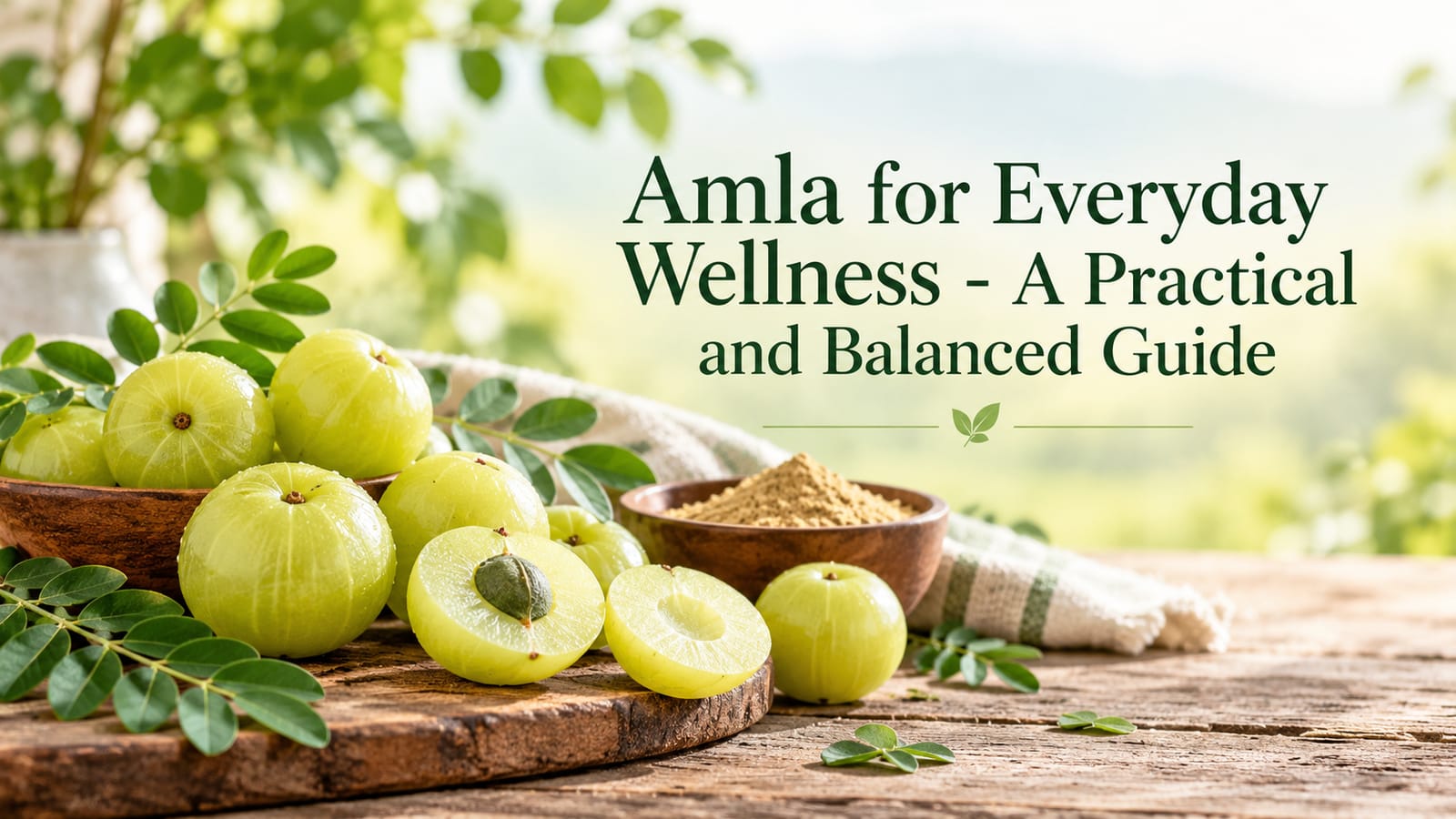
Amla, also known as Indian gooseberry, is a small green fruit traditionally used in Indian cooking and wellness practices. Its sharp, sour taste makes it distinctive, while its versatility has helped it remain popular across generations. Today, amla appears in many forms, including fresh fruit, juice, powder, dried pieces, capsules, and hair-care products. With so many options available, it is useful to understand what amla is, how people commonly use it, and how to approach it responsibly without expecting unrealistic results.
What Makes Amla Interesting?
Amla comes from the Phyllanthus emblica tree and is naturally rich in vitamin C and plant compounds such as polyphenols. Like other fruits, its nutritional value can vary depending on freshness, growing conditions, storage, and processing. This means fresh amla, dried amla, amla powder, and concentrated extracts are not always nutritionally identical.
Amla is best viewed as one nutritious food or botanical ingredient within a broader diet. It should not be treated as a cure, a replacement for medical care, or a shortcut to better health. Balanced nutrition depends on many foods and habits working together over time.
Simple Ways to Use Fresh Amla
Fresh amla has a tart, astringent flavor that some people enjoy on its own, while others prefer it in recipes. It can be sliced and added to salads, cooked into chutneys, preserved as pickles, blended into drinks, or used in traditional dishes.
If you are trying fresh amla for the first time, start with a small amount. However, its pungent taste might take some getting used to. Pairing it with other fruits, herbs, or savory ingredients can make it easier to include in meals.
Fresh amla should be washed before use and stored properly, just like other produce. Choose fruit that looks firm and free from obvious spoilage.
Where Amla Powder Fits
Amla powder is a convenient option for people who cannot easily find fresh fruit. It is usually made by drying and grinding amla, although processing methods can vary between manufacturers.
The powder can be stirred into smoothies, yogurt, oatmeal, water, or recipes. Because it has a noticeable sour and earthy taste, many people prefer to combine it with other ingredients rather than use it alone.
When buying amla powder, read the label carefully. Look for a clear ingredient list and avoid assuming that words such as premium, natural, or superfood automatically mean a product is higher quality.
Understanding Amla Supplements
Amla supplements may come as capsules, tablets, or extracts. These products can be convenient, especially for people who dislike the taste of fresh amla or powder. However, supplements are not the same as whole fruit.
Some products contain simple amla powder, while others use extracts that concentrate certain compounds. Serving sizes and formulations can differ, so comparing products only by the number of milligrams on the label may be misleading.
A good supplement label should clearly state what form of amla is used, how much is included per serving, and whether any other ingredients are present.
What About Amla Oil?
Amla oil is commonly used for hair and scalp care. It is often made by infusing amla in another oil or blending amla with carrier oils and other botanical ingredients.
Because formulas vary, it is important to read the product directions before use. Amla oil intended for external use should not be consumed unless the label specifically states that it is made for that purpose.
People with sensitive skin should try applying a little bit of it first. Stop using the product if irritation occurs.
Amla and a Healthy Diet
Including amla in your routine can be one way to add variety to your diet, but overall eating patterns matter much more than any single ingredient. Fruits, vegetables, whole grains, protein sources, healthy fats, and adequate fluids all contribute to daily nutrition.
Amla should not be used to compensate for a consistently poor diet. It also should not be promoted as a guaranteed solution for immunity, weight management, blood sugar, cholesterol, or other health concerns.
Scientific research continues to examine amla, but specific health outcomes depend on many factors, including the form used, the amount consumed, personal health status, and overall lifestyle.
When to Be Cautious
Natural does not always mean risk free. Foods and supplements can affect people differently, and concentrated products may not be appropriate for everyone.
If you are pregnant, breastfeeding, preparing for surgery, managing a medical condition, or taking prescription medicines, speak with a qualified healthcare professional before starting an amla supplement. This is especially important if you already use several supplements or herbal products.
If you notice an unexpected reaction after trying a new amla product, stop using it and seek appropriate medical advice.
Choosing Amla Products Responsibly
Whether you buy fresh fruit, powder, capsules, or oil, choose products from sellers that provide clear information. Useful details include a complete ingredient list, serving directions, storage guidance, contact information, and quality or testing information when available.
Avoid buying things that make huge promises or claim instant results. Responsible wellness products should explain what they contain without using fear, exaggeration, or misleading medical claims.
For supplements, follow the recommended serving rather than assuming that a larger amount will provide greater benefits.
Building Sustainable Wellness Habits
Amla can fit comfortably into a healthy lifestyle when it is used with realistic expectations. Fresh fruit may suit people who enjoy cooking, powder may work well in drinks and recipes, capsules can offer convenience, and oil may be useful in personal-care routines.
It all comes down to your preferences, budget, availability, and purpose.
Good health is built through consistent habits: eating a varied diet, staying physically active, sleeping well, managing stress, drinking enough fluids, and seeking professional healthcare when needed. Amla can be one small part of that bigger picture. Used thoughtfully, it can add flavor, variety, and tradition to an everyday wellness routine without relying on hype or unsupported promises. That balanced perspective keeps wellness practical, informed, personal, and easier to sustain.