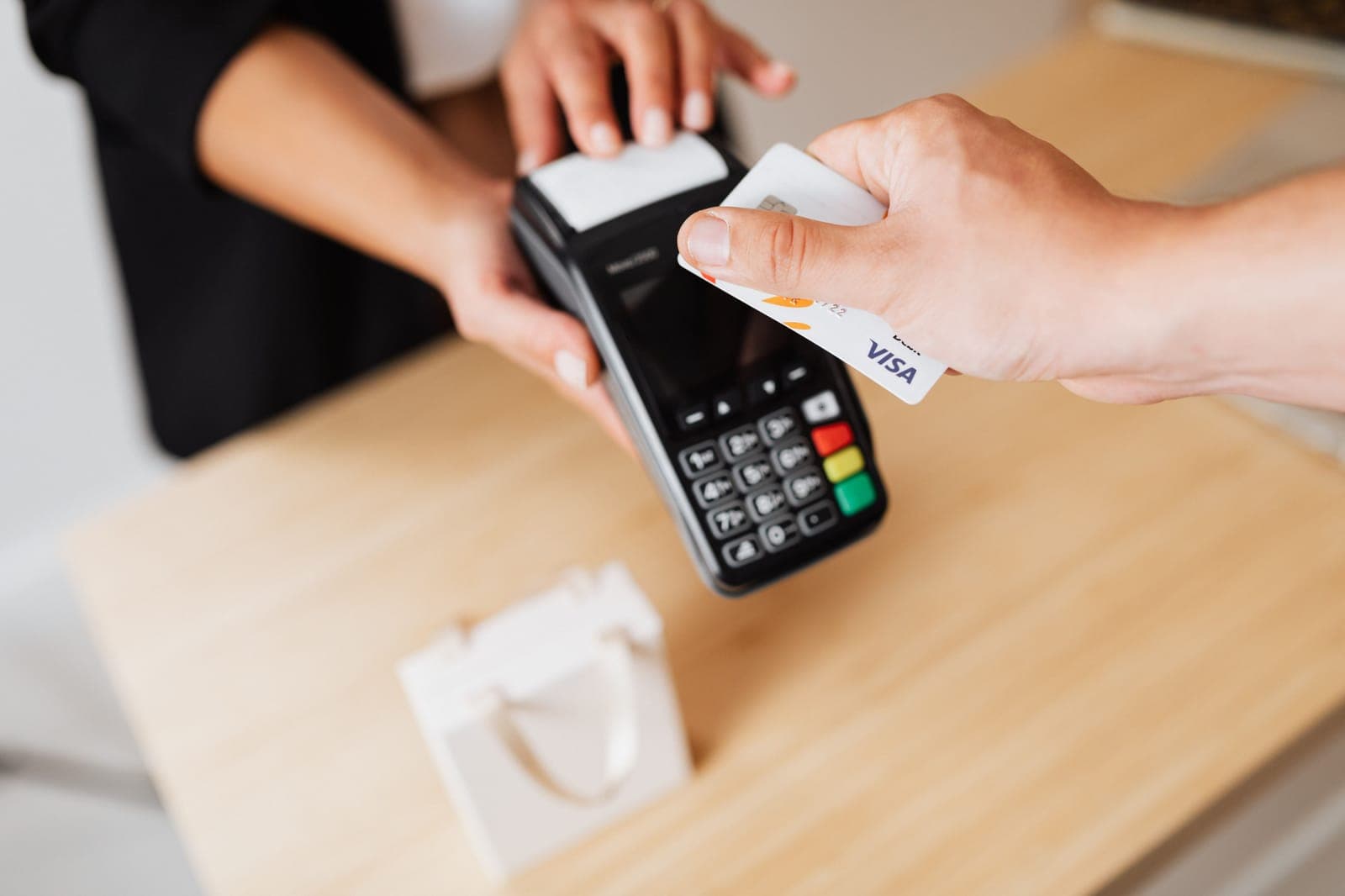
Saudi Arabia’s payments landscape is undergoing a broad digital transformation as consumers, businesses, banks, and financial technology providers increasingly rely on electronic transaction channels. The expansion of point-of-sale infrastructure, e-commerce, mobile payments, and instant transfers is changing how everyday payments are initiated and settled. This shift is supported by continued investment in national payment infrastructure and regulatory initiatives aimed at improving accessibility, efficiency, and transaction security.
A recent assessment by Markntel Advisor indicates that the Saudi Arabia Cards and Payments Market is valued at USD 346 billion in 2026 and is projected to reach USD 498 billion by 2032, registering a CAGR of 6.3% during 2026–2032. The study identifies debit cards as the leading segment by card type, reflecting their importance within the Kingdom’s expanding electronic payments ecosystem.
Digital Payments Become More Prominent
The increasing use of electronic payments is one of the defining developments in Saudi Arabia’s financial sector. According to the Saudi Central Bank (SAMA), electronic payments accounted for 85% of total retail payments in 2025, compared with 79% in 2024. The number of electronic transactions also increased from 12.6 billion in 2024 to 14.6 billion in 2025.
This transition has implications for both card-based and account-based payment methods. As consumers become more accustomed to electronic transactions, payment providers are required to support fast, secure, and convenient experiences across physical stores, online platforms, mobile applications, and other digital channels.
Expansion of Card-Based Transactions
Debit cards remain an important component of Saudi Arabia’s payment infrastructure. SAMA’s national payment system, mada, supports electronic payments through point-of-sale terminals, ATMs, and e-commerce channels, connecting transactions with card-issuing institutions.
The scale of physical payment infrastructure also continues to expand. SAMA reported approximately 2.1 million point-of-sale terminals in the second quarter of 2025, while domestic banks had issued around 57.8 million ATM cards. POS transactions during the quarter reached about 2.8 billion, with sales totaling SAR 165.7 billion. These developments demonstrate the continued relevance of cards alongside newer digital payment channels.
E-Commerce Supports Payment Innovation
The expansion of online commerce is encouraging improvements in payment infrastructure and integration. In July 2025, SAMA announced a new e-commerce payments interface designed to improve integration between e-commerce service providers and the national mada system. The framework includes unified technical specifications, centralized registration capabilities, and payment-card tokenization to strengthen electronic transaction security.
As online shopping becomes more integrated into consumer routines, payment systems increasingly need to accommodate multiple payment instruments while maintaining secure authentication and transaction processing. Saudi Arabia’s e-commerce payment infrastructure developments therefore form part of a broader shift toward interconnected digital commerce.
Instant Payments and Faster Transfers
Beyond card transactions, instant account-to-account transfers are becoming another important element of the payment ecosystem. SAMA’s SARIE system enables low-value transfers between local banks and provides instant processing around the clock. It also allows alternative identifiers, including mobile numbers, national identification numbers, residence numbers, and email addresses, to facilitate transfers.
Such infrastructure can reduce friction in everyday transactions by allowing users to transfer funds without relying exclusively on traditional account-number workflows. It also supports broader interoperability between financial institutions and contributes to the development of faster payment services.
Mobile Wallets and Digital Payment Options
Mobile-based payment options are also expanding the range of ways consumers can transact. In September 2025, SAMA announced the launch of Google Pay through mada, enabling users to manage mada and credit cards through Google Wallet. The initiative forms part of efforts to develop the Kingdom’s digital payments ecosystem and provide additional payment options.
SAMA has also been working to expand international payment acceptance. In 2025, it announced initiatives involving JCB and Alipay+, supporting broader acceptance of international payment networks and digital wallets within the Kingdom. These developments can be particularly relevant to cross-border commerce, tourism, and international visitors.
Regulatory Focus on Consumer Protection
Payment market development is occurring alongside regulatory changes designed to improve transparency and consumer protection. In June 2025, SAMA updated its rules governing the issuance and operation of credit cards. The updated framework includes provisions related to disclosure, transparency, consumer financial awareness, and credit-card fees and charges.
Regulatory clarity is increasingly important as payment services become more diverse. A larger range of digital instruments requires consistent standards for security, disclosure, data protection, transaction processing, and consumer recourse.
Regional Payment Integration
Saudi Arabia’s payment infrastructure is also becoming more connected with wider GCC payment systems. In September 2026, SAMA and the Qatar Central Bank announced the gradual rollout of acceptance for mada cards in Qatar and HIMYAN cards in Saudi Arabia. The initiative forms part of wider GCC efforts to strengthen shared payment infrastructure and facilitate cross-border card usage.
Outlook
The Saudi Arabia cards and payments landscape is being shaped by rising electronic-payment adoption, expanding card infrastructure, e-commerce growth, instant transfers, mobile wallets, and regulatory modernization. Debit cards remain an important part of this ecosystem, while interoperability and digital payment technologies are broadening the range of transaction options available to consumers and businesses.